Department of Fine Arts
המחלקה לאמנות
قسم الفنون
Main Gallery
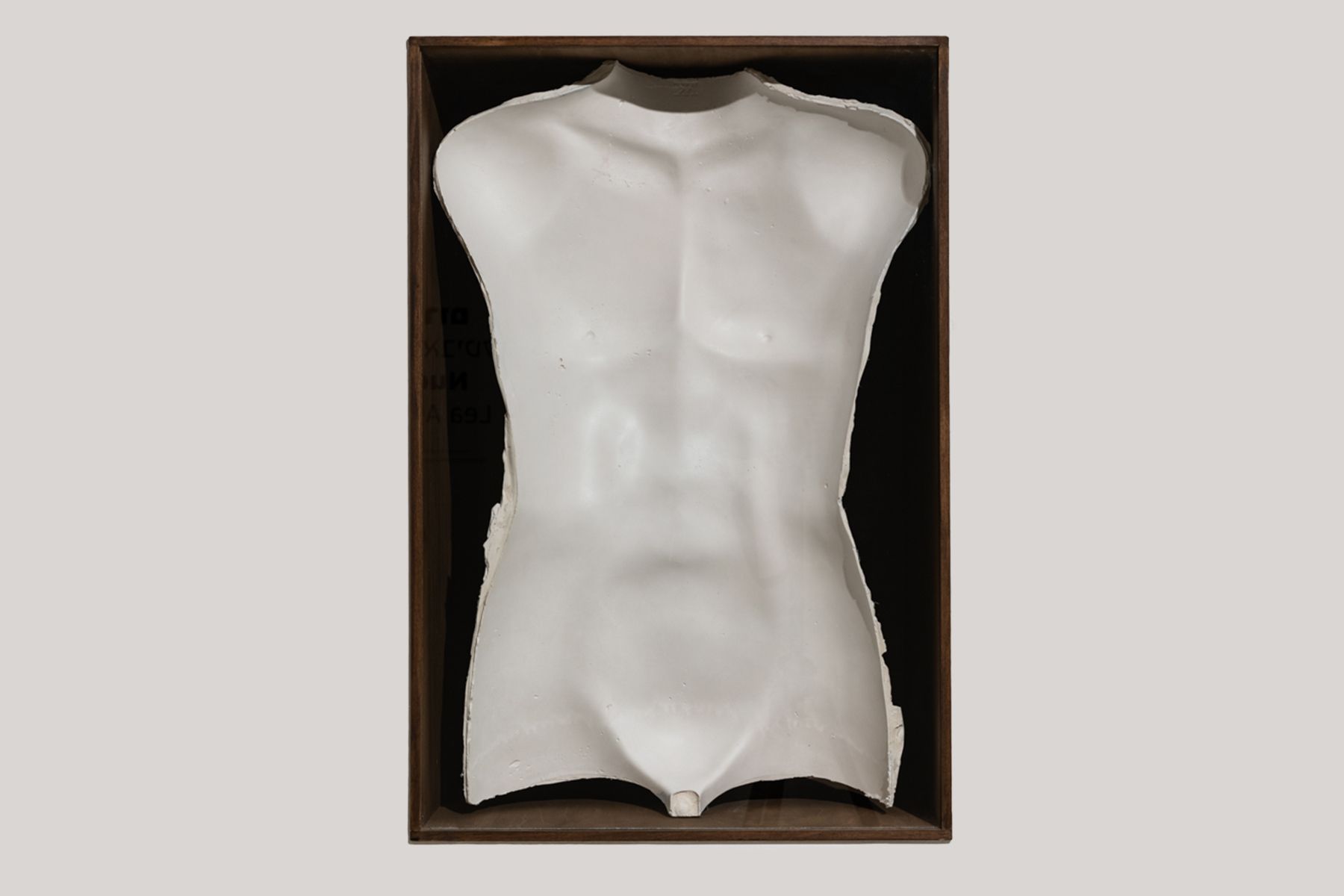
Lea Avital, Graduate and lecturer at the Department of Fine Arts
Window Display 2020, wooden box, plaster, glass, plaster wall
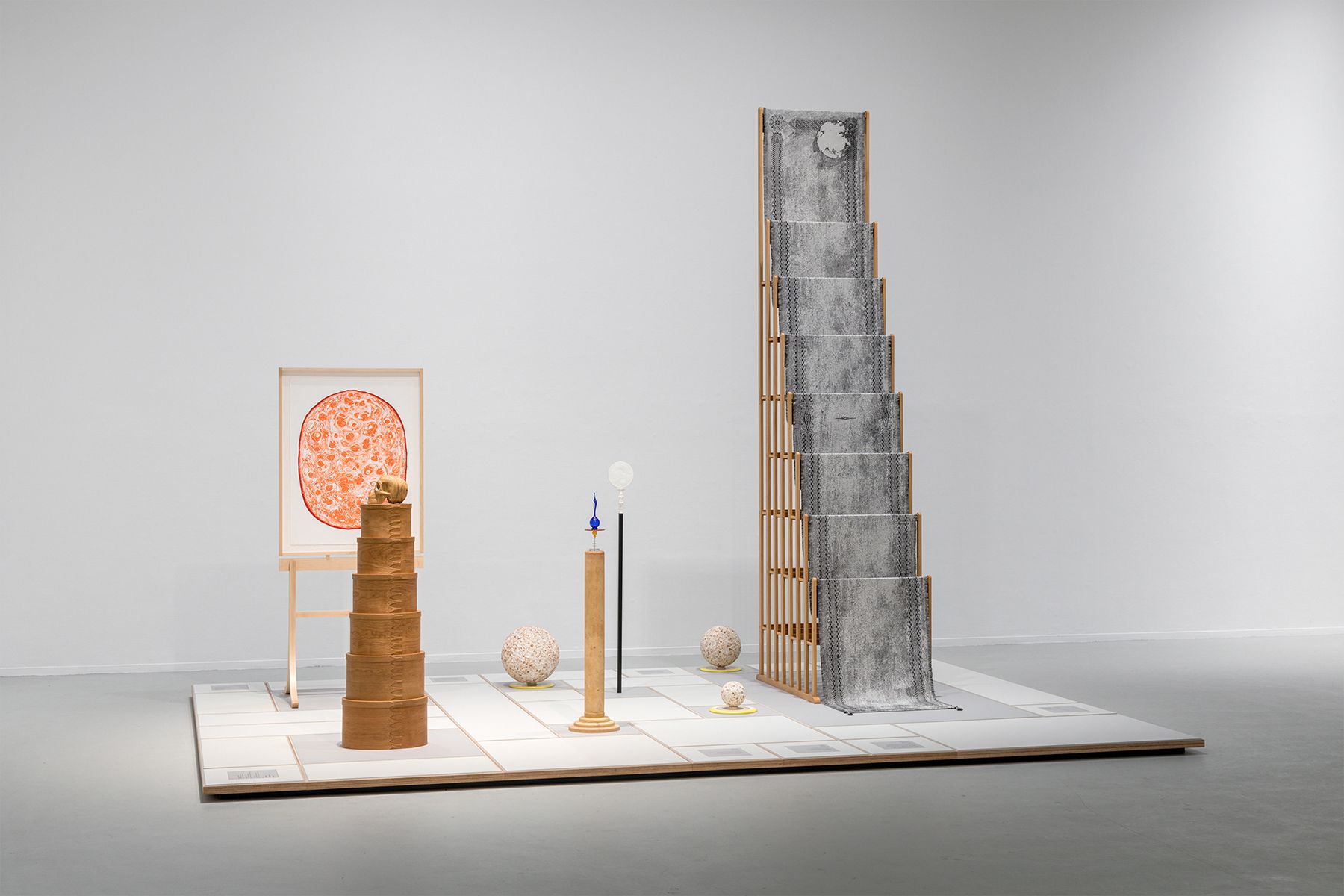
Maayan Elyakim, Graduate and Lecturer at the Department of Fine Arts, 2022 (Photo: Elad Sarig)
Installation view from the exhibition Sun, Dial at the Tel Aviv Museum of Art

Ariel Schlesinger
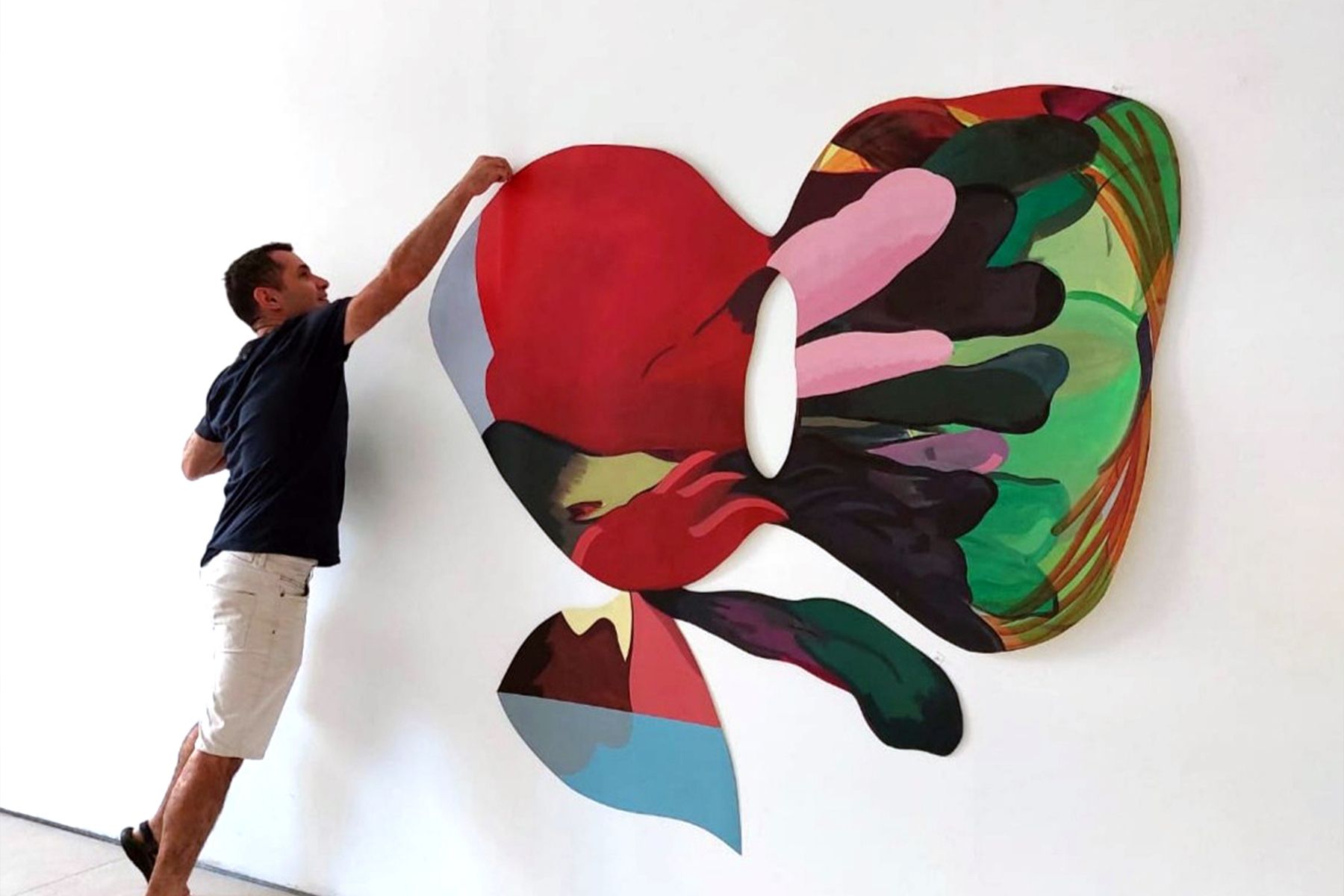
׳Untitled׳, Eyal Sasson, Graduate and lecturer at the Department of Fine Arts.
Installation view from the exhibition Wide Angle, Barbur Gallery, 2022
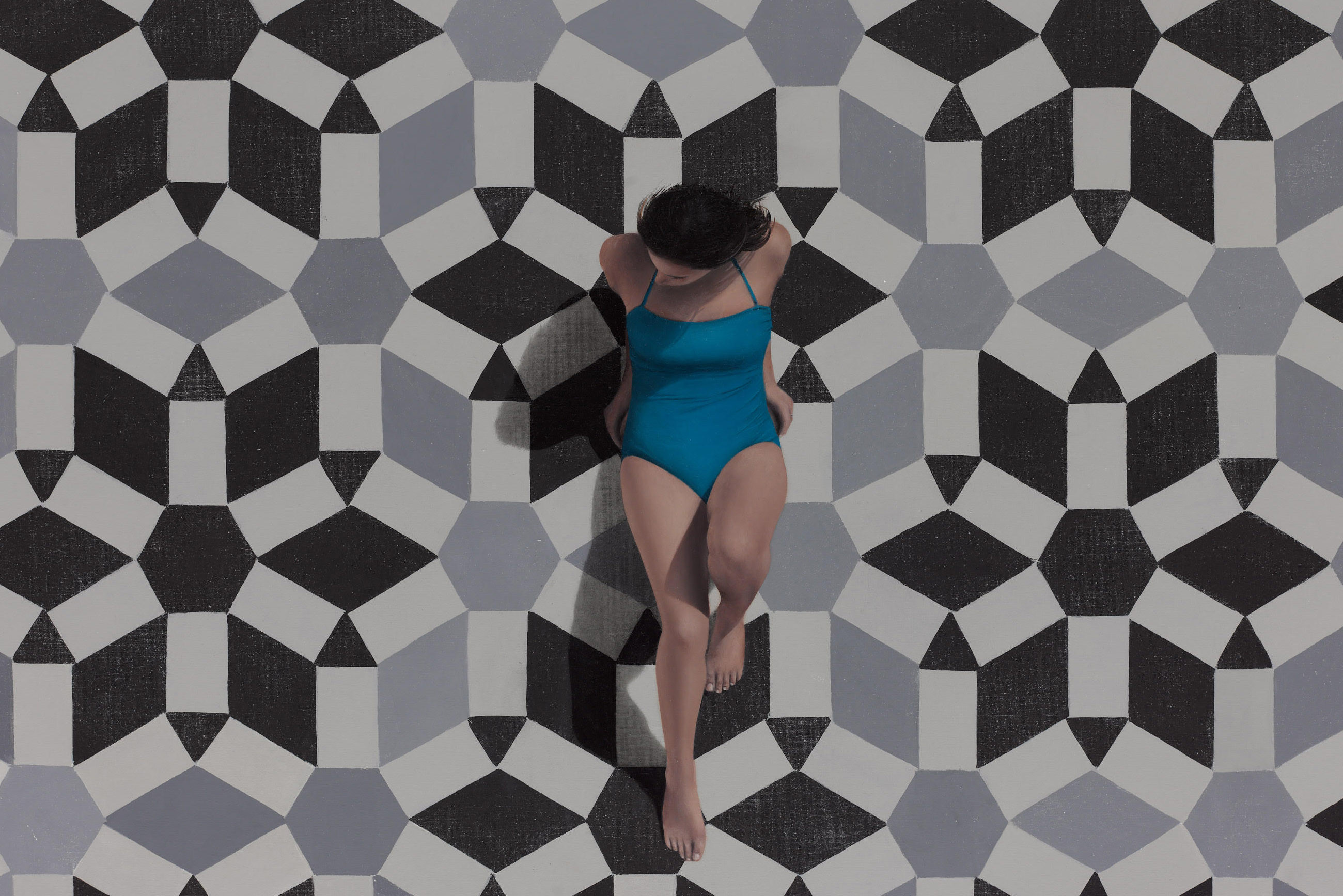
Maya Gold, 2017
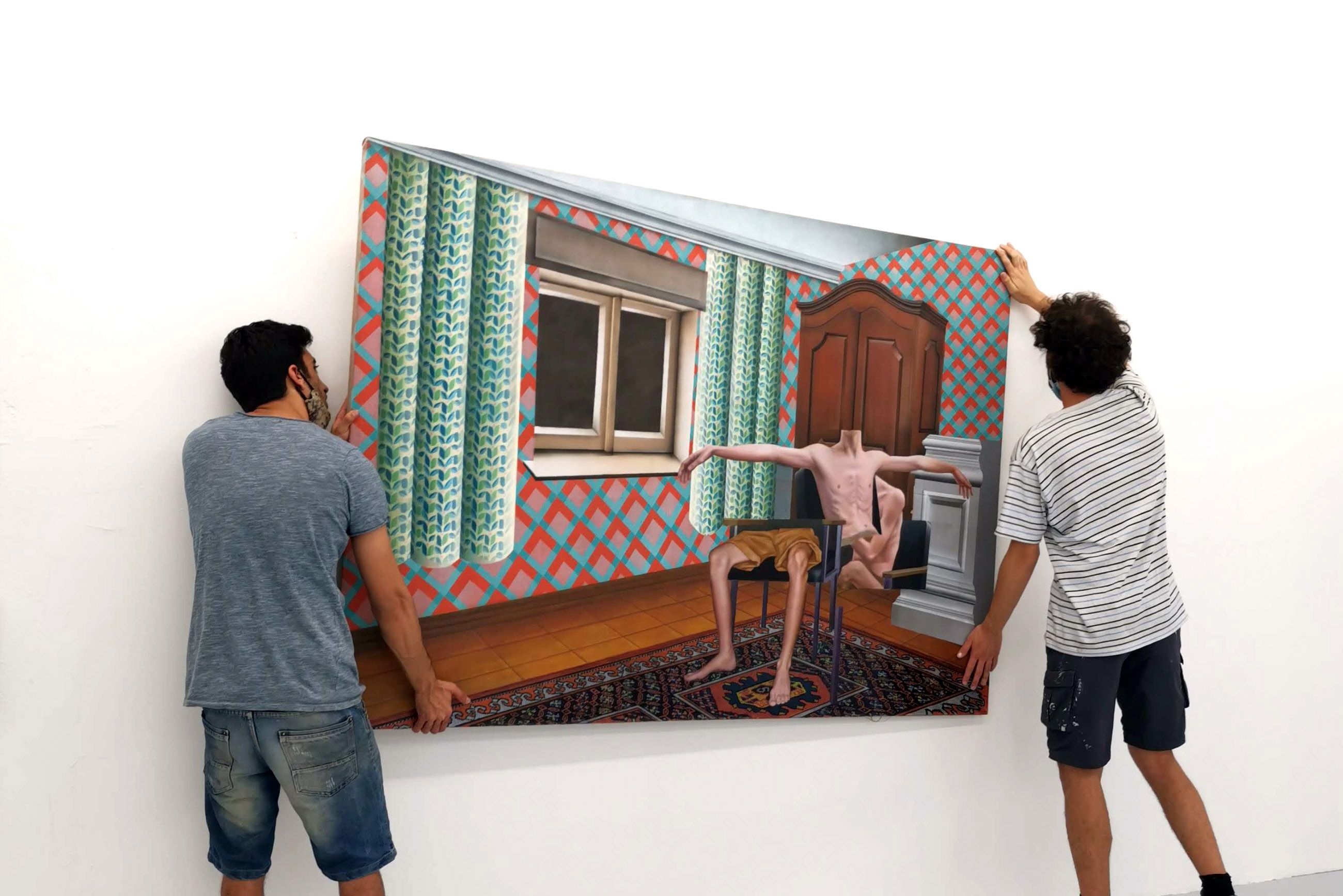
Photography: Jossef Krispel
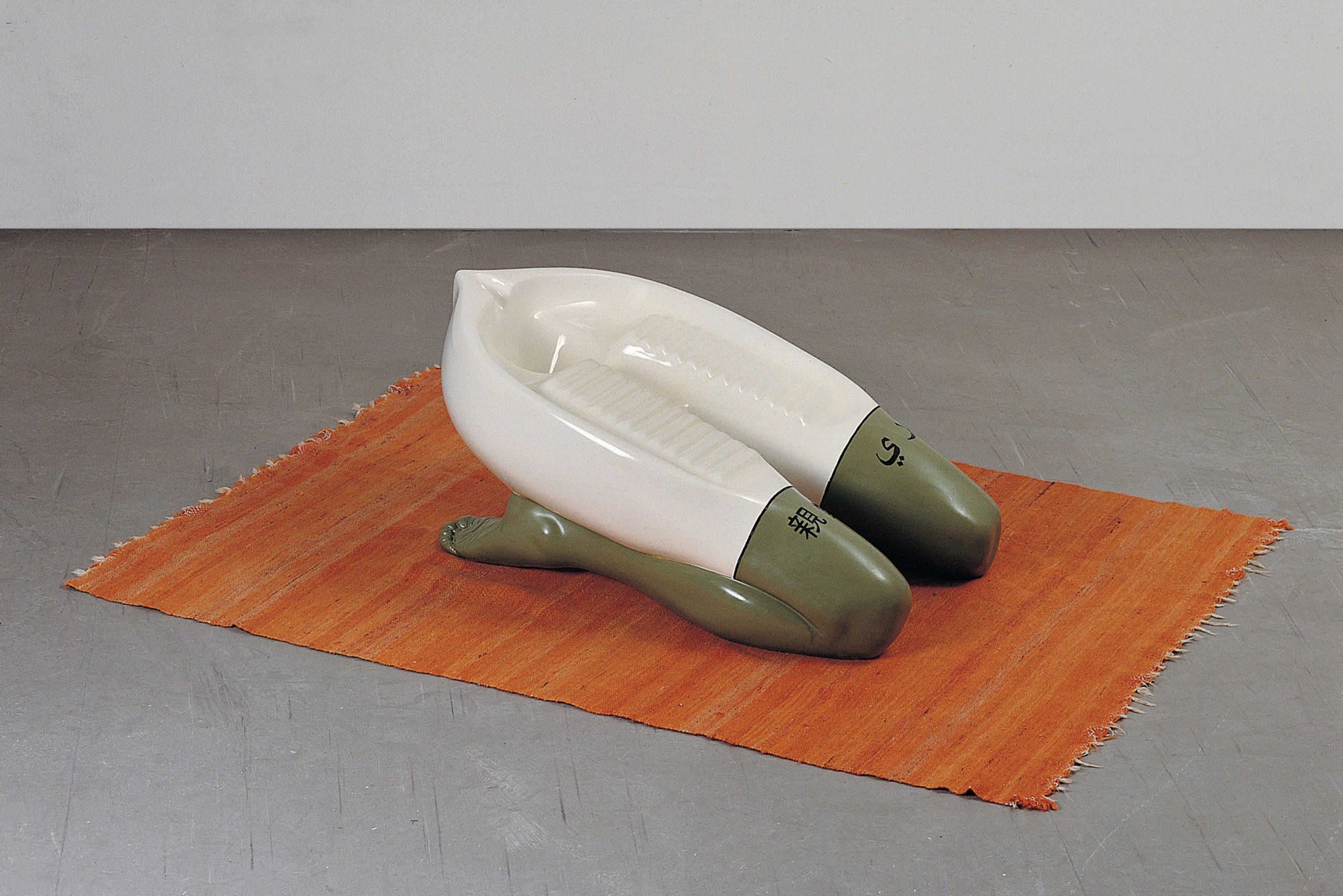
Sigalit Landau, 1999
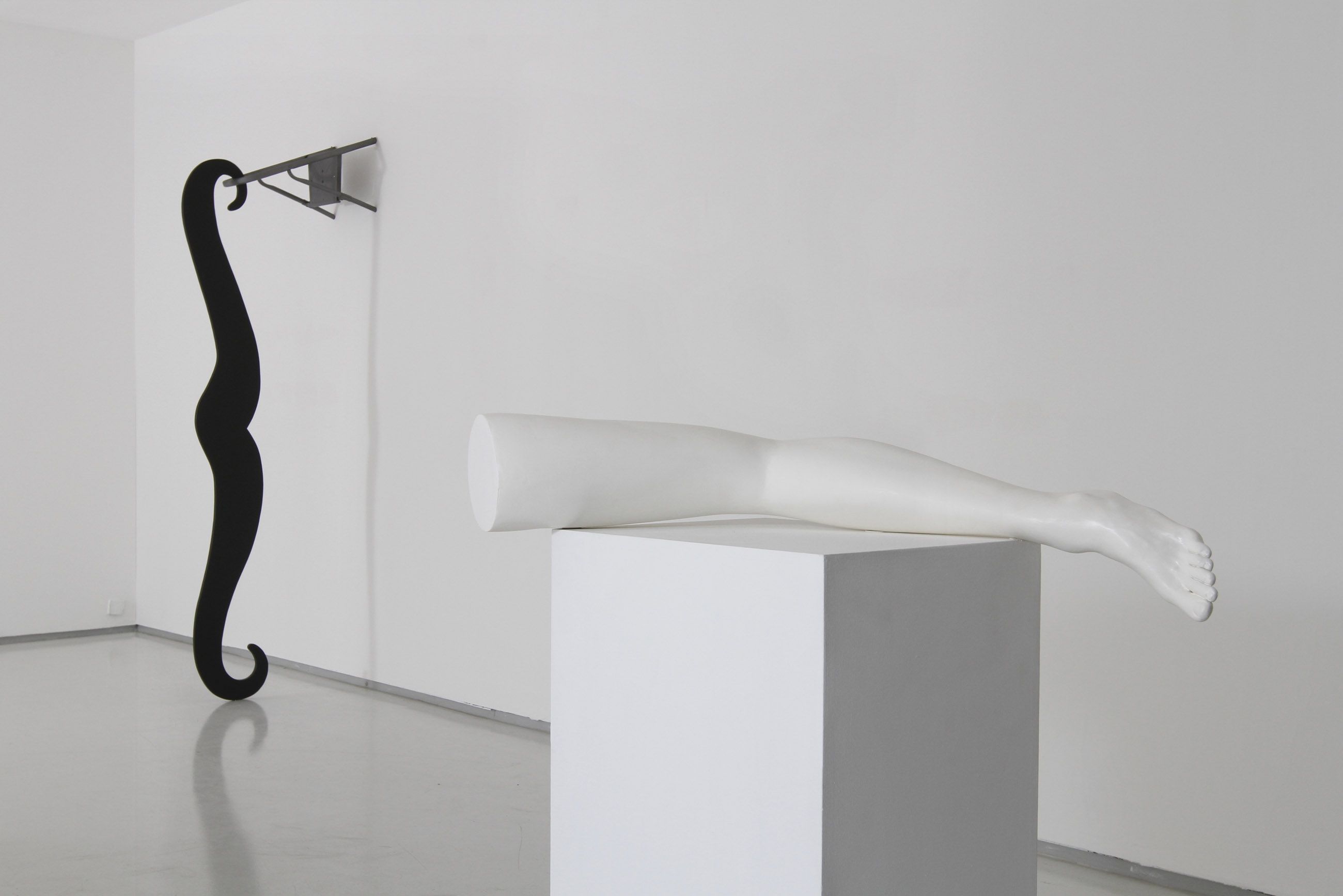
'Man without qualities', Lea Avital, 2015
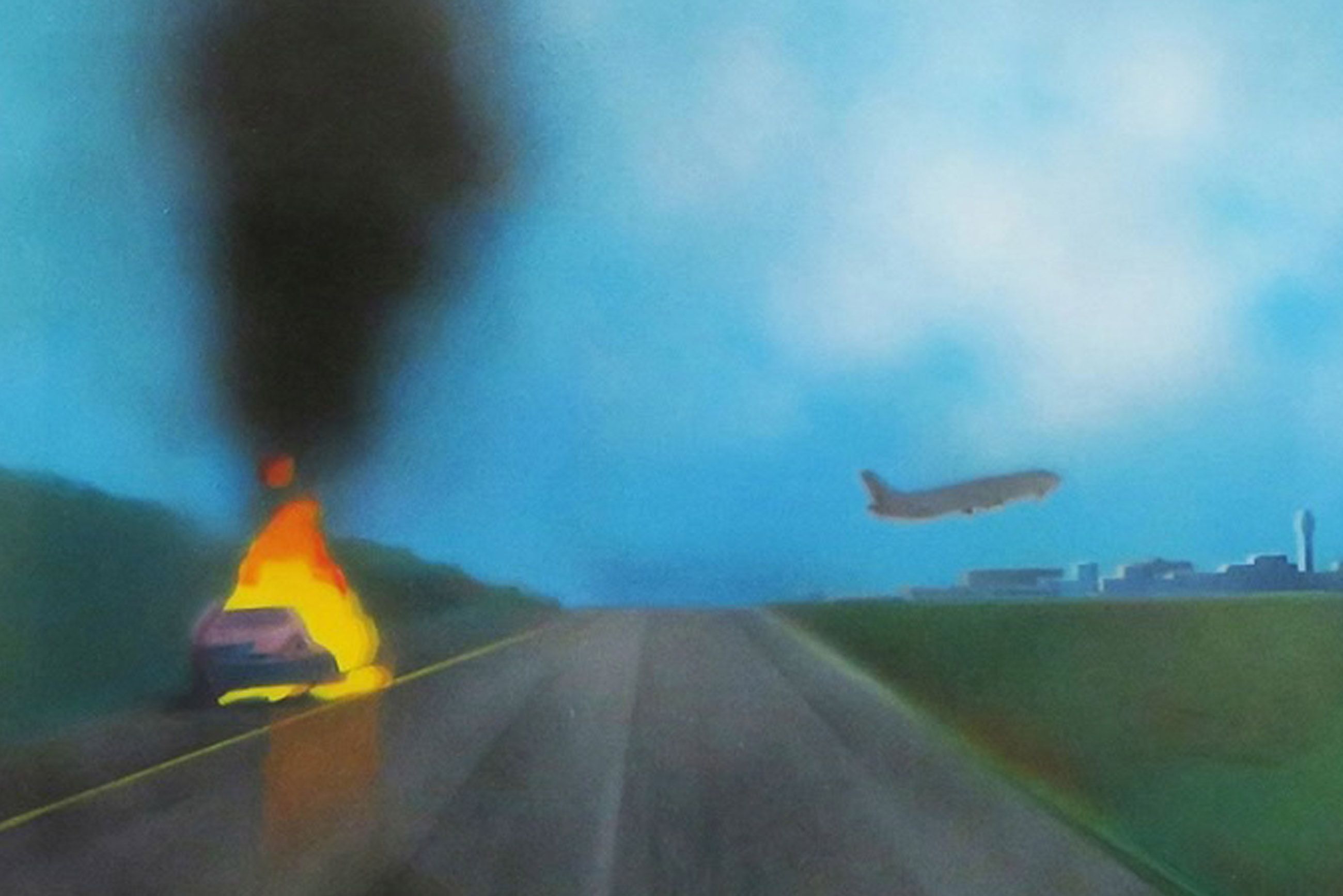
Yitzhak Livneh, 2019

'Buses', Gil Marco Shani, 2019
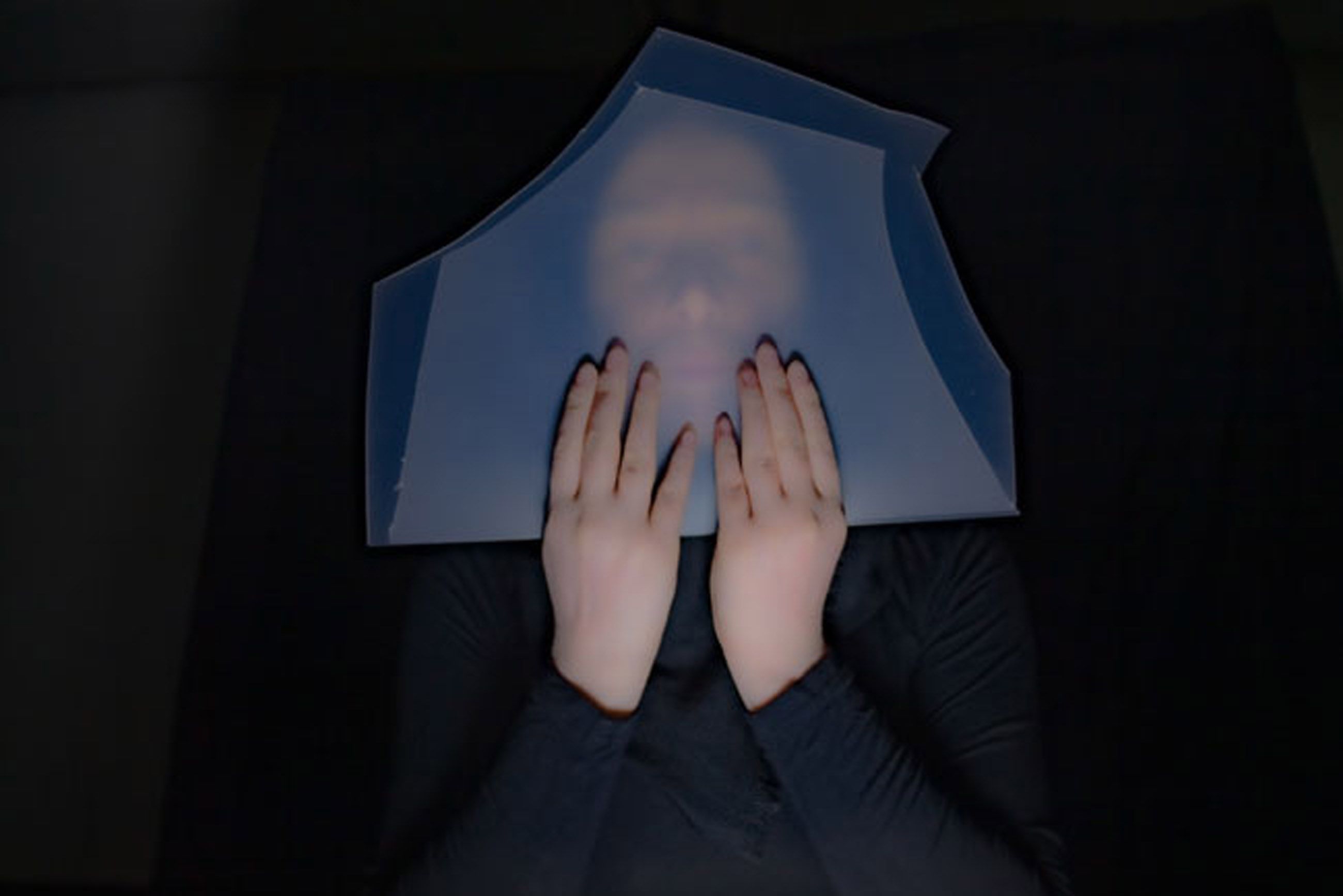
Rawan Abu Filat, 2019

'Bathers #1', Eyal Sasson, 2014
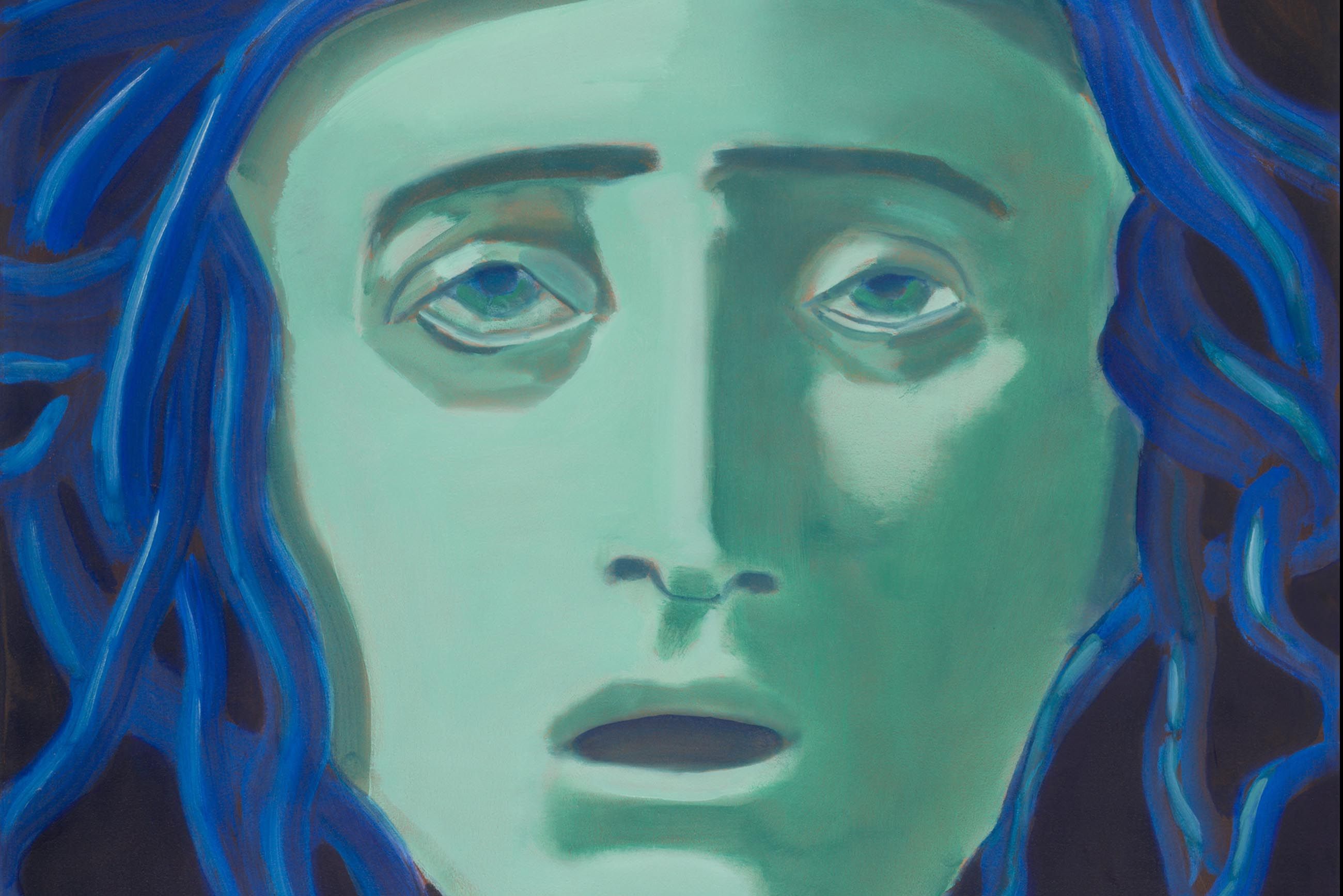
׳Medusa׳, Prof. Yitzhak Livne
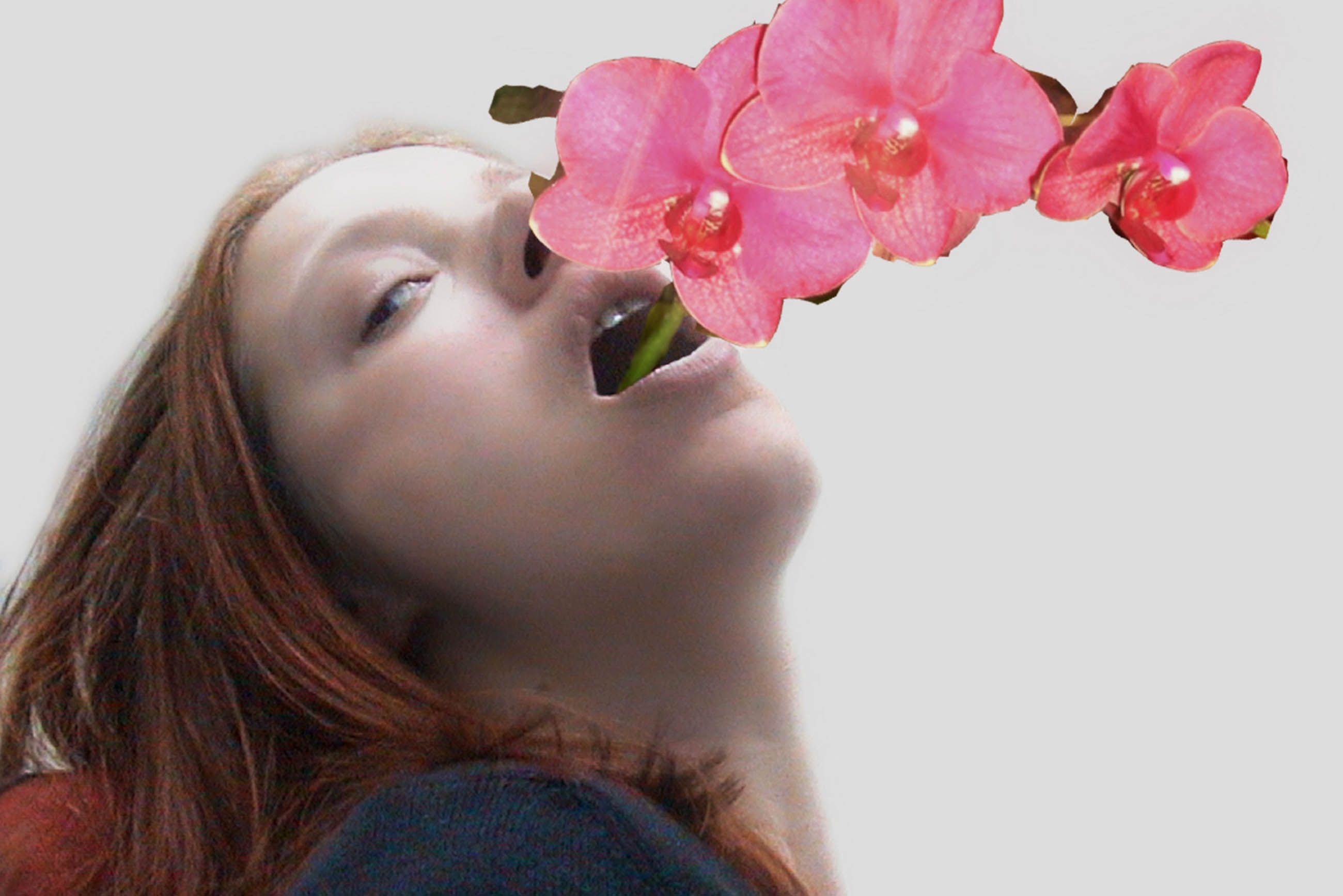
׳Necrofleur׳, Miri Segal (Photography: Jossef Krispel)
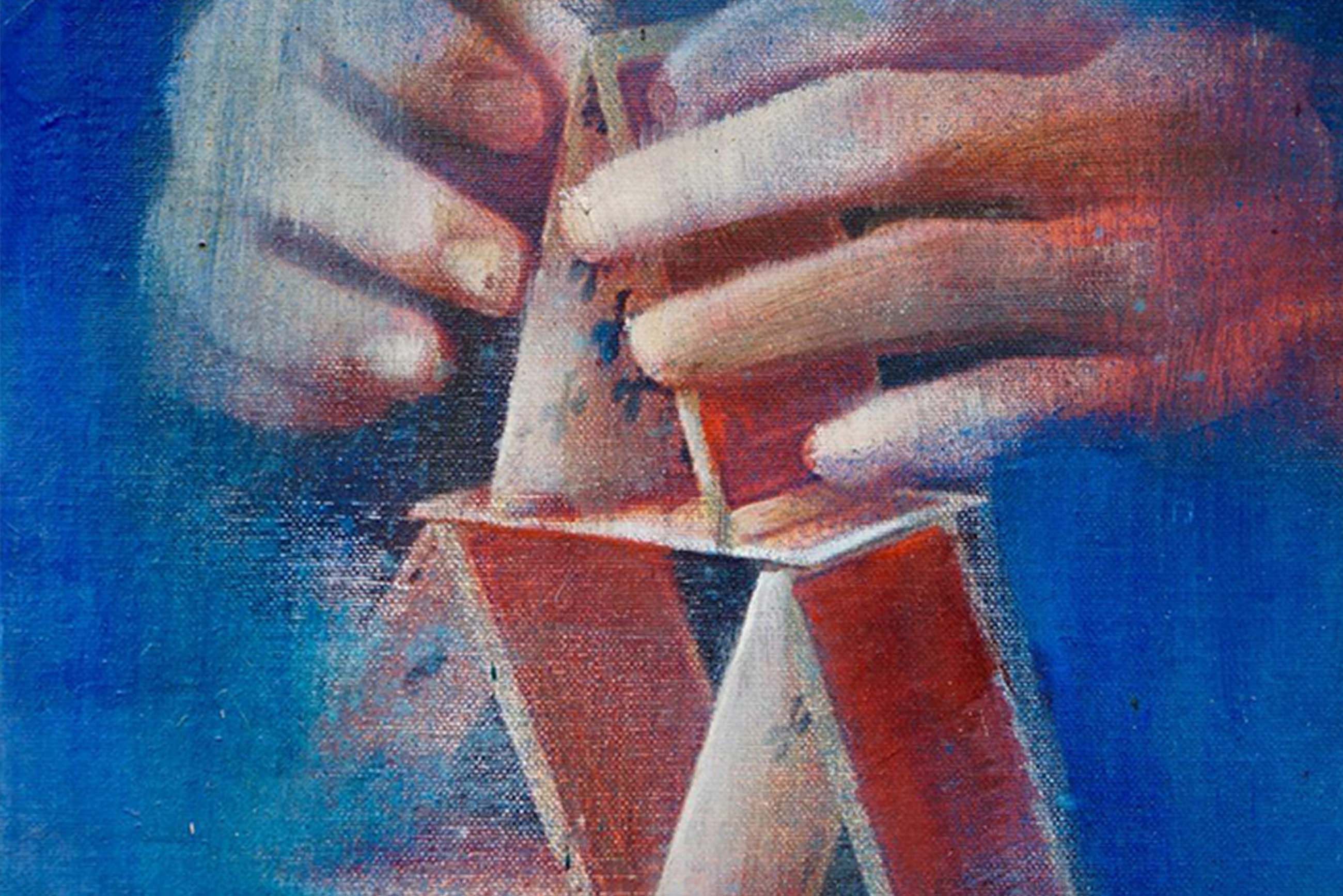
Kobi Assaf
Main Content
The formation of a creative artist is a complex process – its sources cannot be deciphered nor can its results be anticipated. Art constantly expands and breaks through boundaries – never resting on its laurels. It embraces new media and produces infinite connections and combinations; occasionally it abandons traditional tools only to revive them at unexpected times.
In a world of social media, reality TV and selfies, artists must navigate changing frontiers of self-expression. Functioning in complex environments, they must continuously determine what it means for art to reflect the world as it is or as it could be.
The Department of Fine Arts presents students with all the tools to explore this new reality and its earlier iterations. Along with a sound technical, historic and theoretical foundation, the program seeks to help students hone their intuition and access their individual identity by examining the shifting geographic, political, cultural and technological world around them so they can truly capture unique moments in time.
The Department is a space for creativity and experimentation, a stage for self-expression and artistic impulses, for questions that evolve into producing and promoting new ideas. Encouraging interdisciplinary conversations and intensive dialogues with other diverse professional disciplines, it is a site for the discussions and debates on social, communal, intellectual and geopolitical issues that formulate and advance the country’s discourse and artistic activity.
The Department of Fine Arts was the inspiration for the founding of Bezalel – the first art school in Israel. It has been the heart of the Academy since the early 20th century, educating generations of artists, painters, sculptors, video artists and performers of national and international renown, shaping local creative culture and visual thinking and establishing glorious traditions associated with the name of Jerusalem, the people of Israel and the Middle East.