Department of Ceramics and Glass Design
המחלקה לעיצוב קרמי וזכוכית
قسم تصميم الخزف والزجاج
Main Gallery
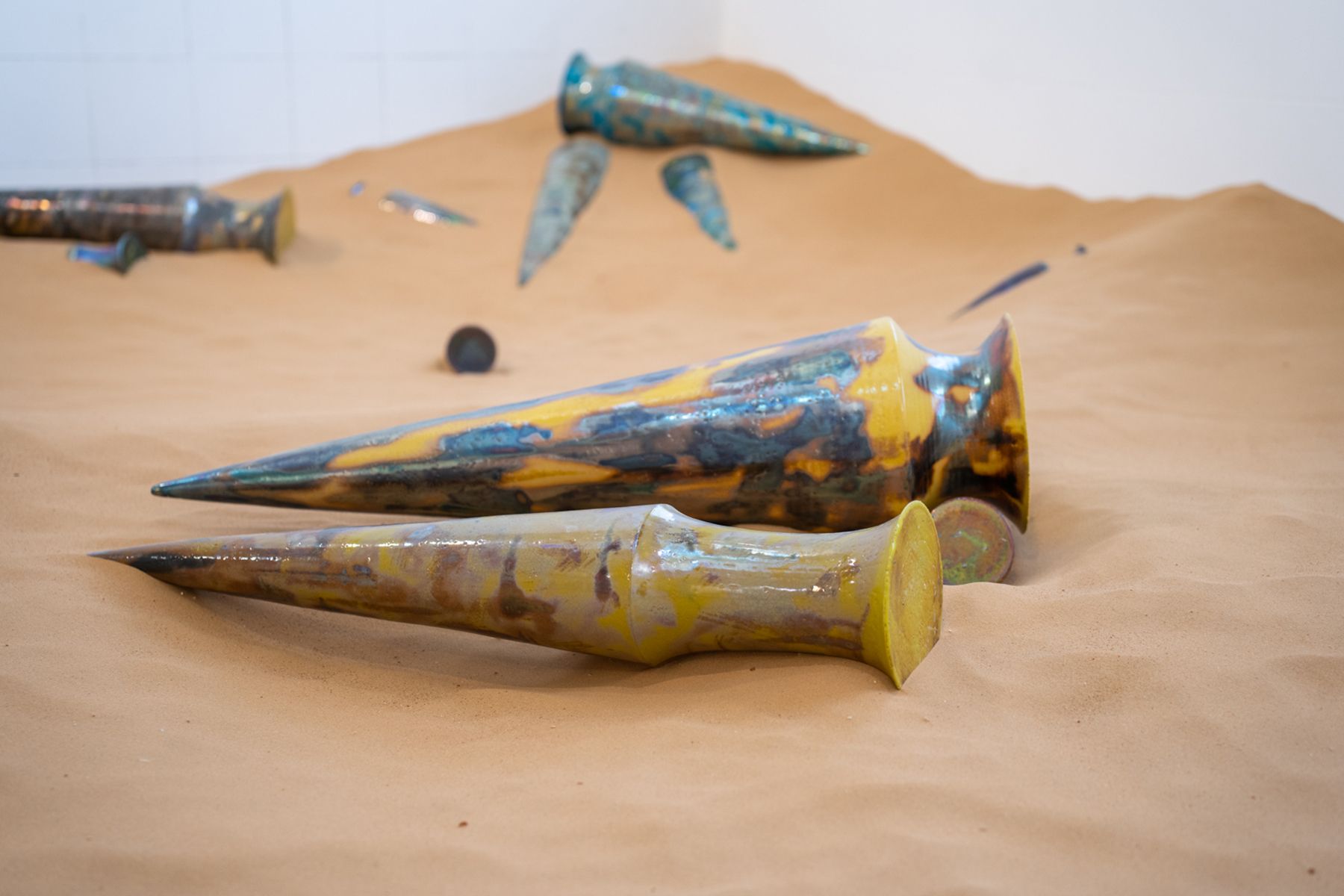
Naama Ben Aria, ׳On the threshold of the unknown׳, final project, 2022
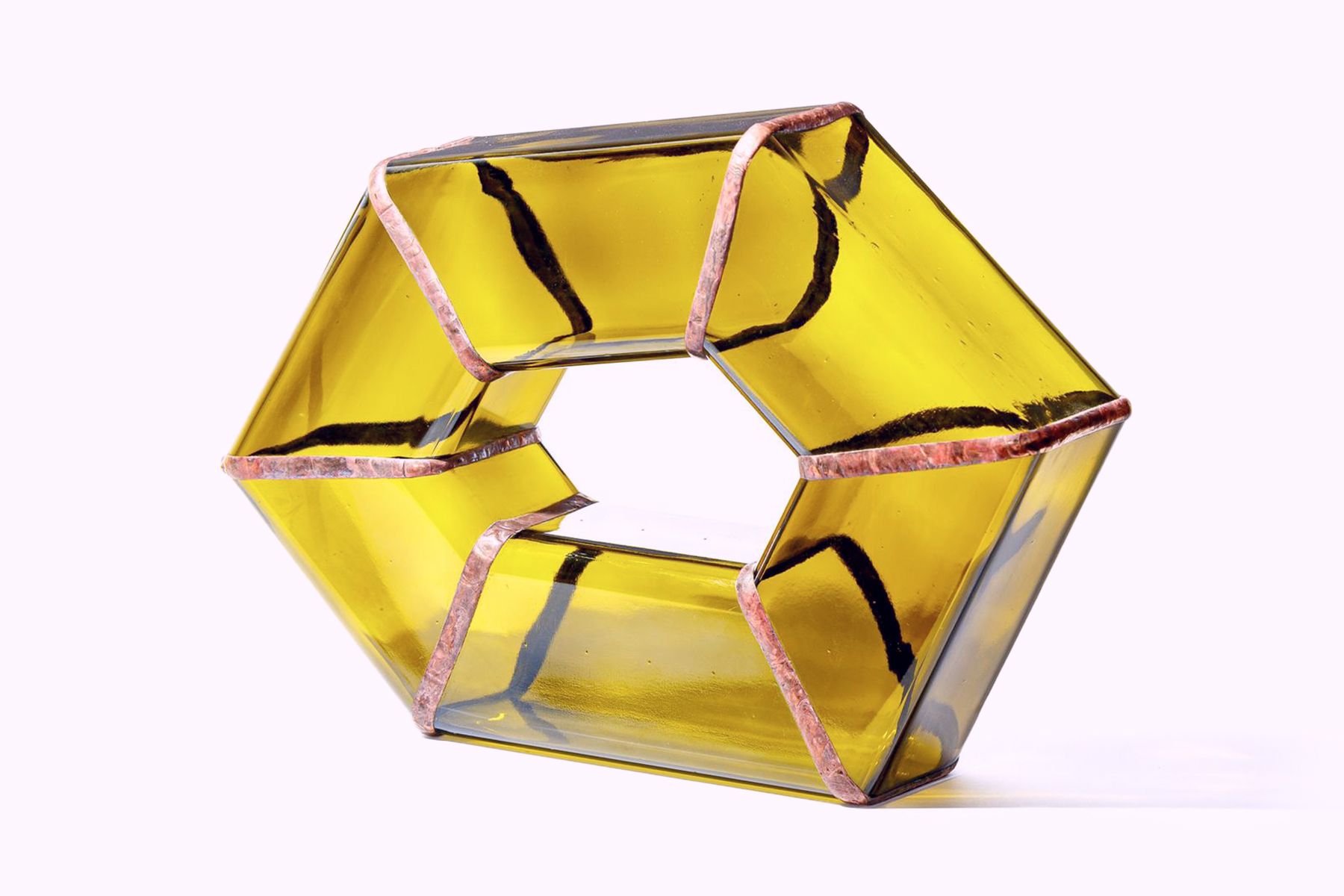
Stefanie Jadd Susnow, ׳Consider the Jar׳, final project, 2022
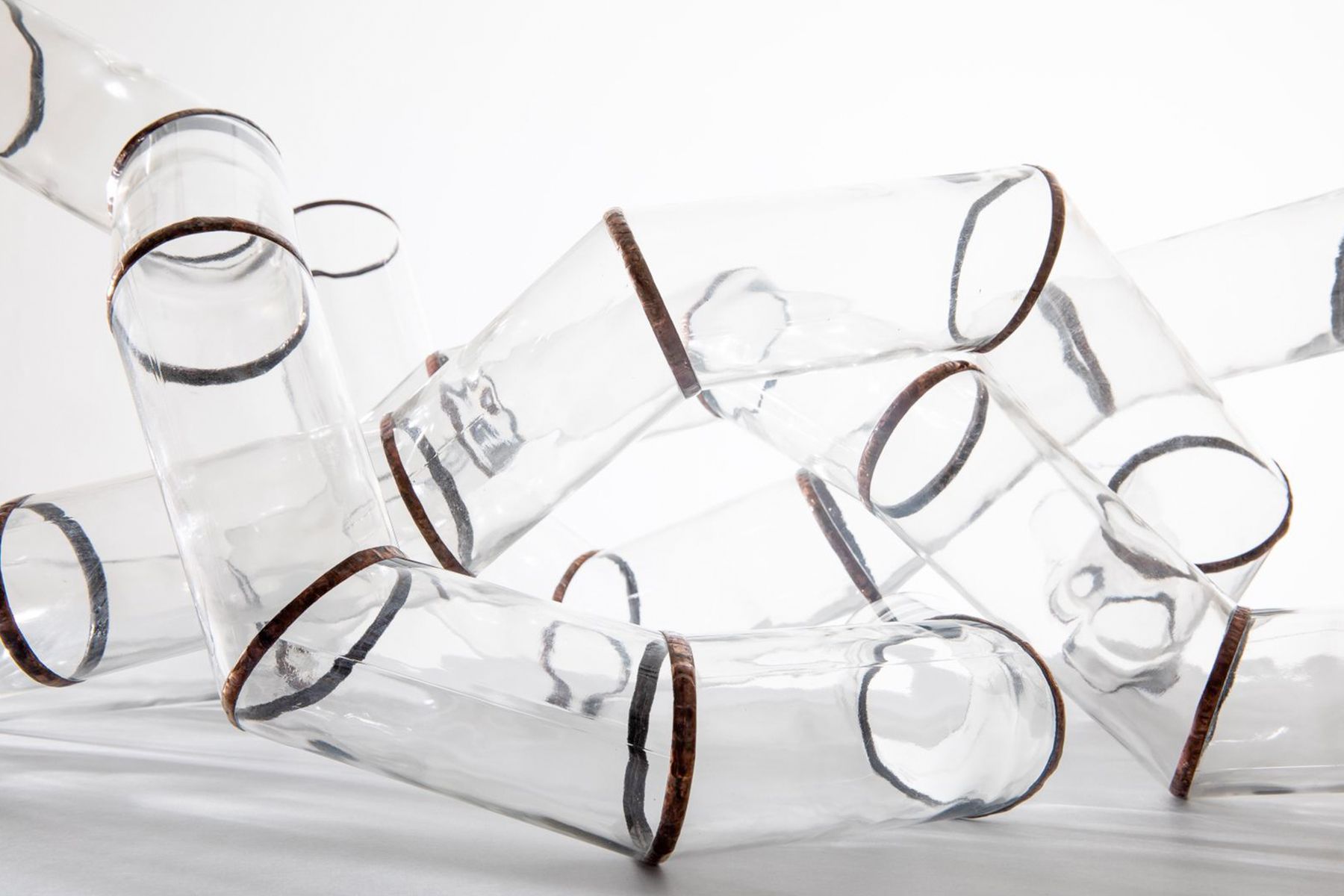
Stefanie Jadd Susnow, ׳Consider the Jar׳, final project, 2022
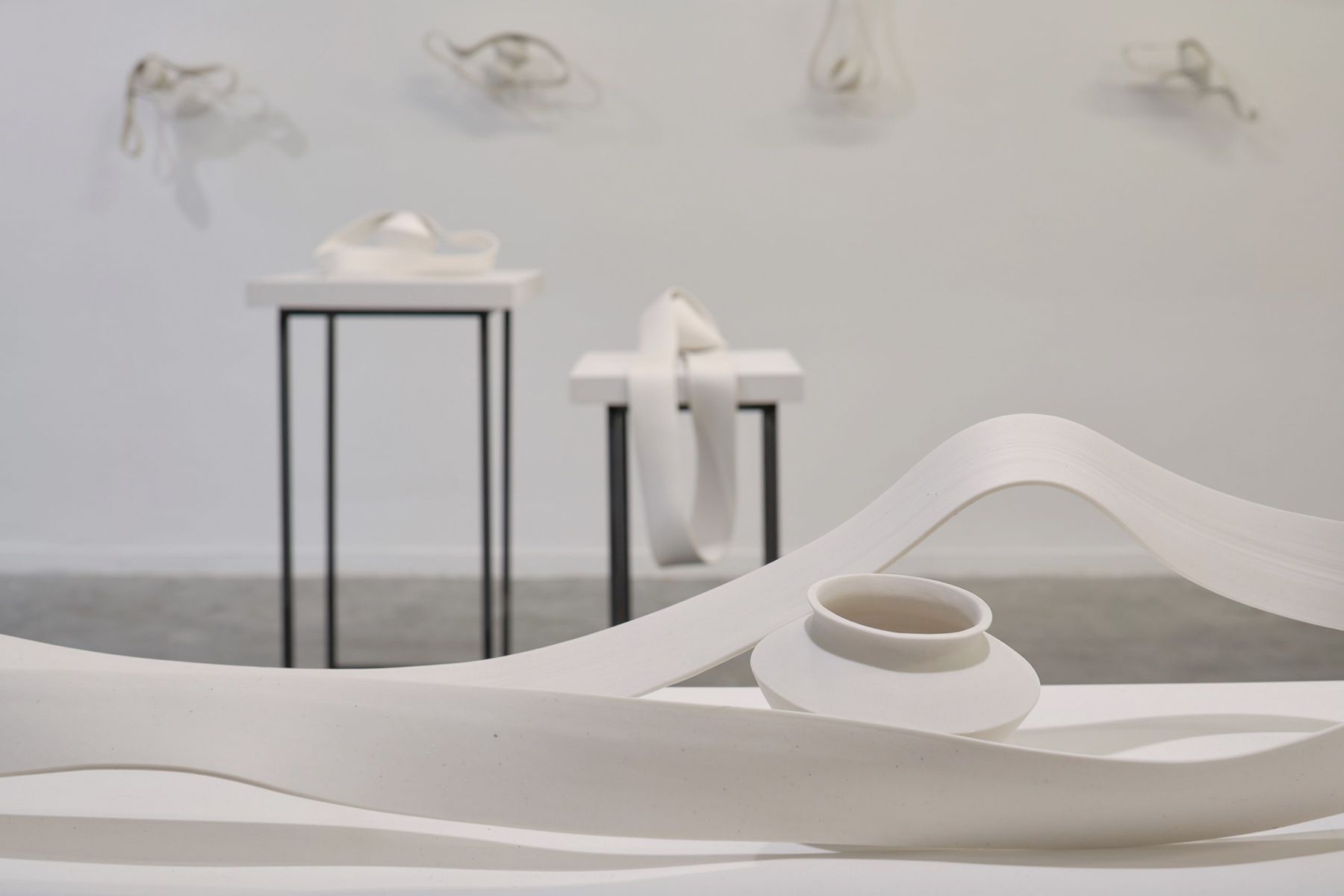
Noam Kisch, ׳Studies in Gravity׳, final project, 2022
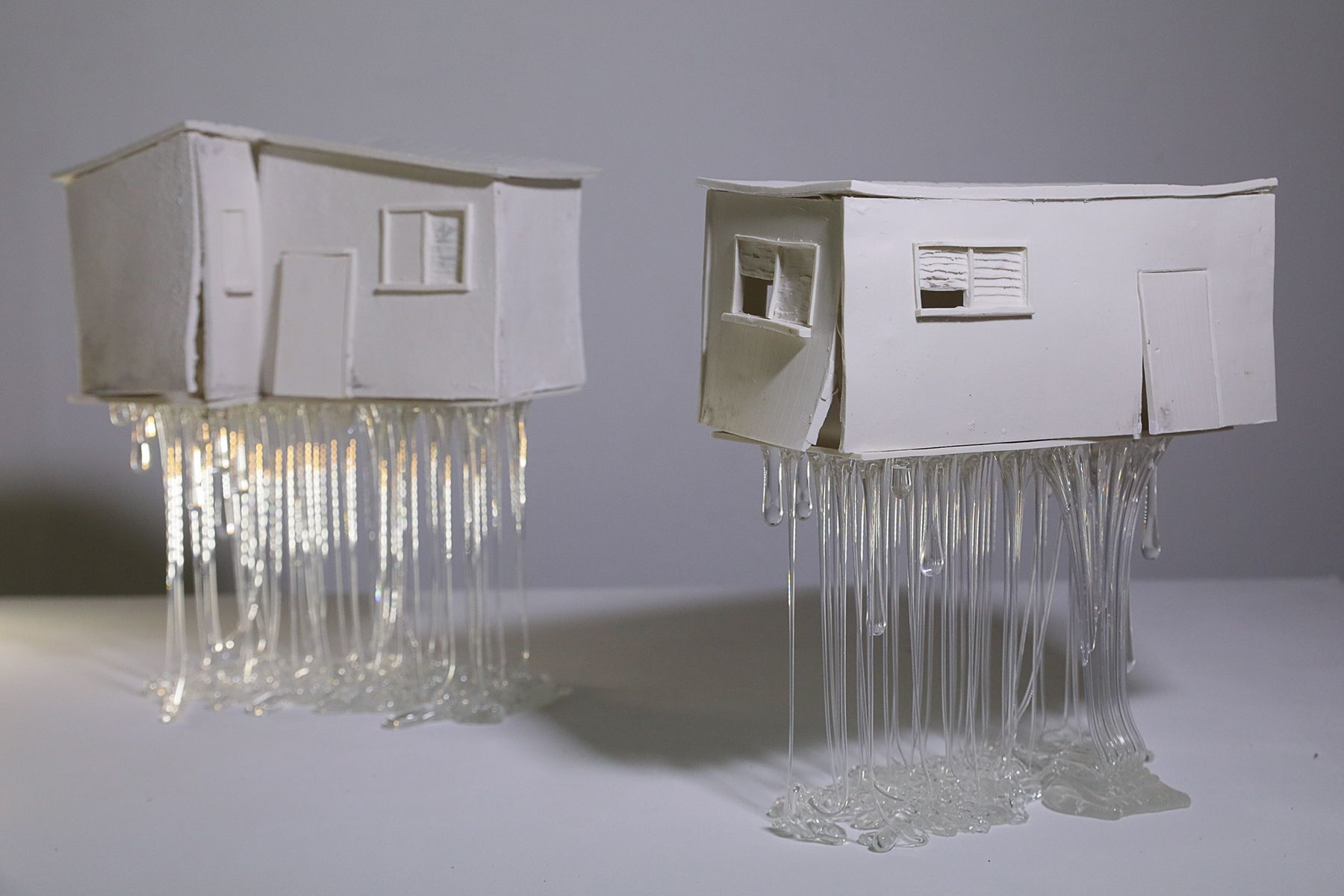
Oshrat Cohen, ׳Homestead׳, final project, 2022
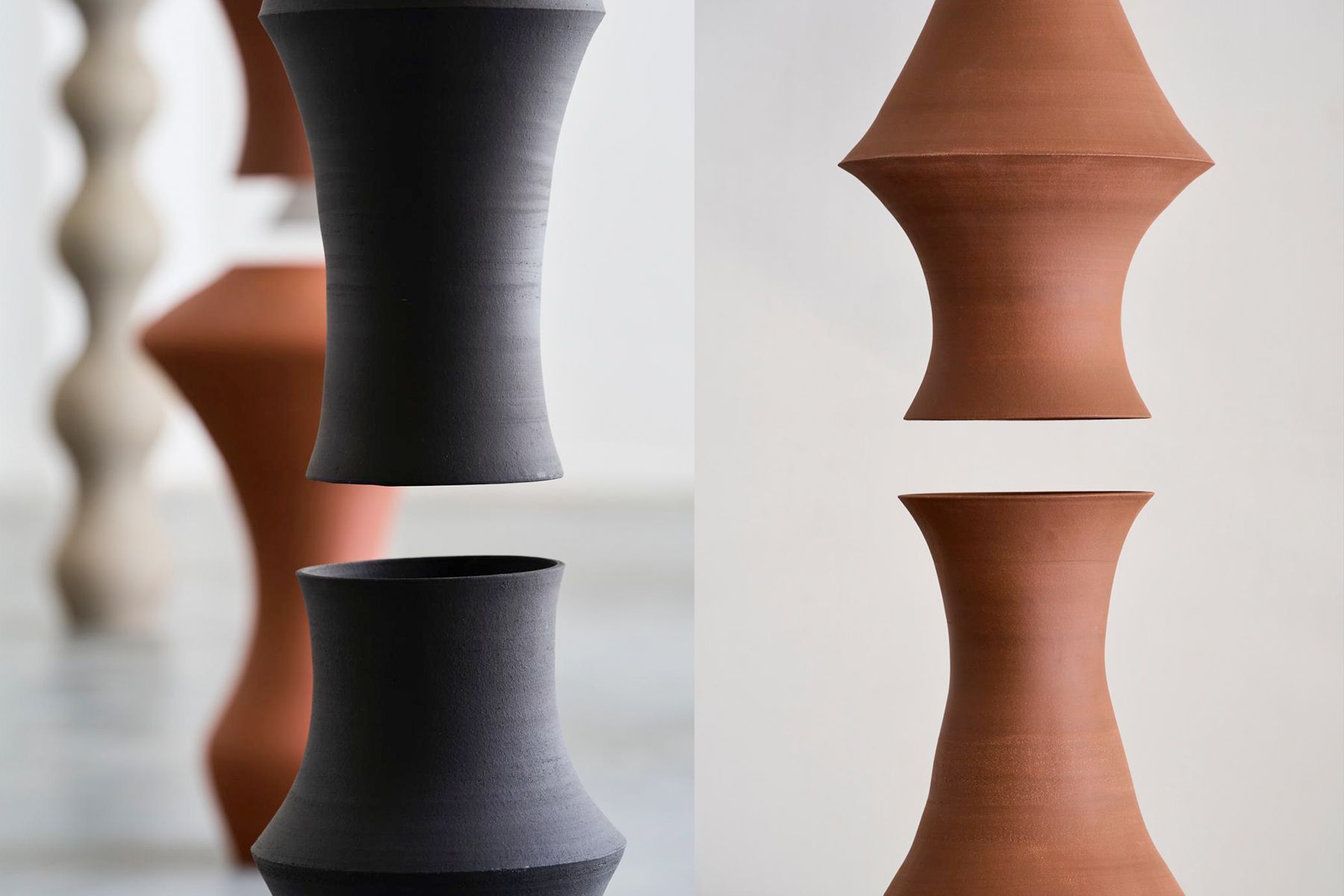
Aviv Laoz Kalif, ׳BETWEEN׳, final project, 2022
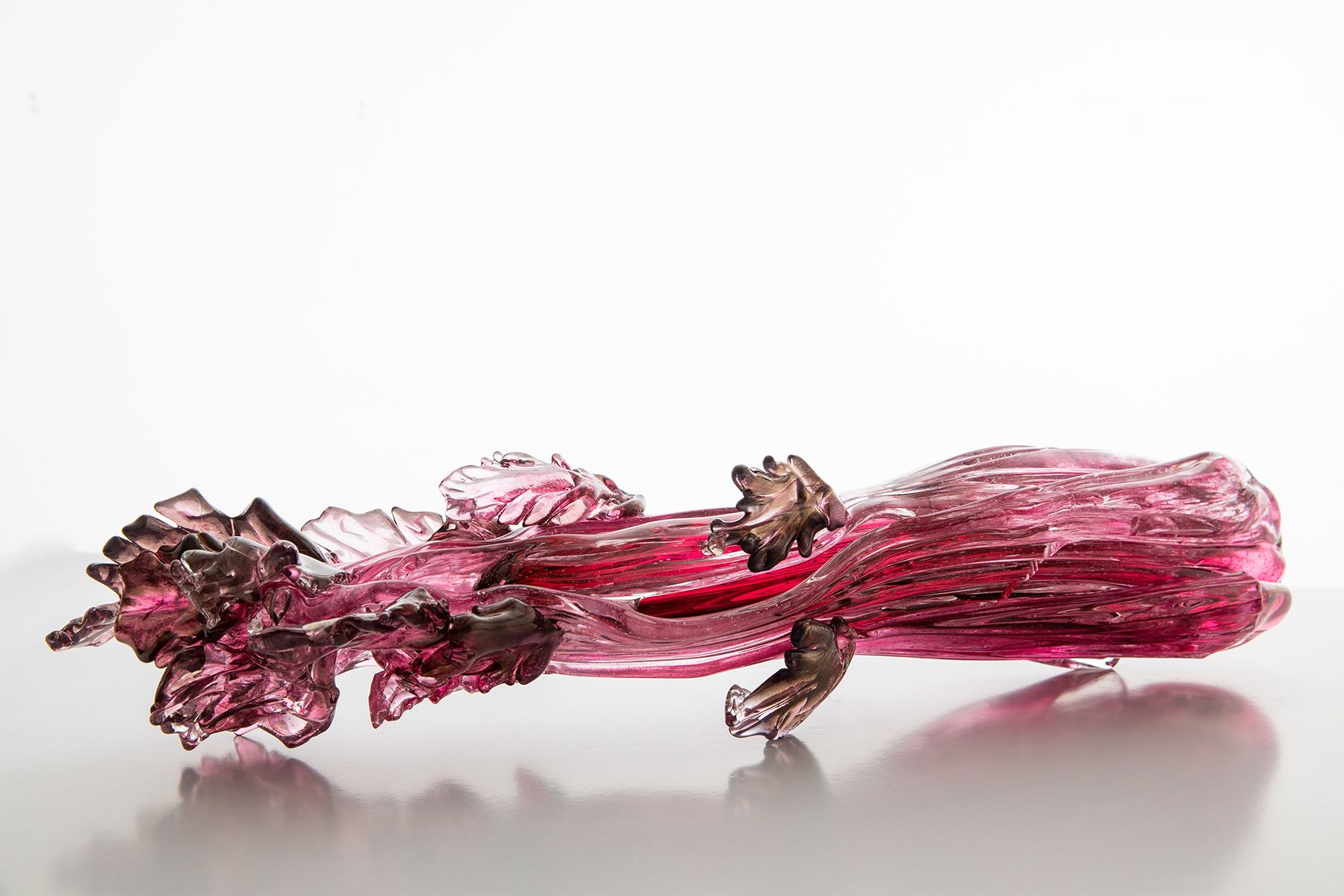
Noa Lamdan, ׳Still.Life׳, final project, 2021 (Photography: Sasha Flit)
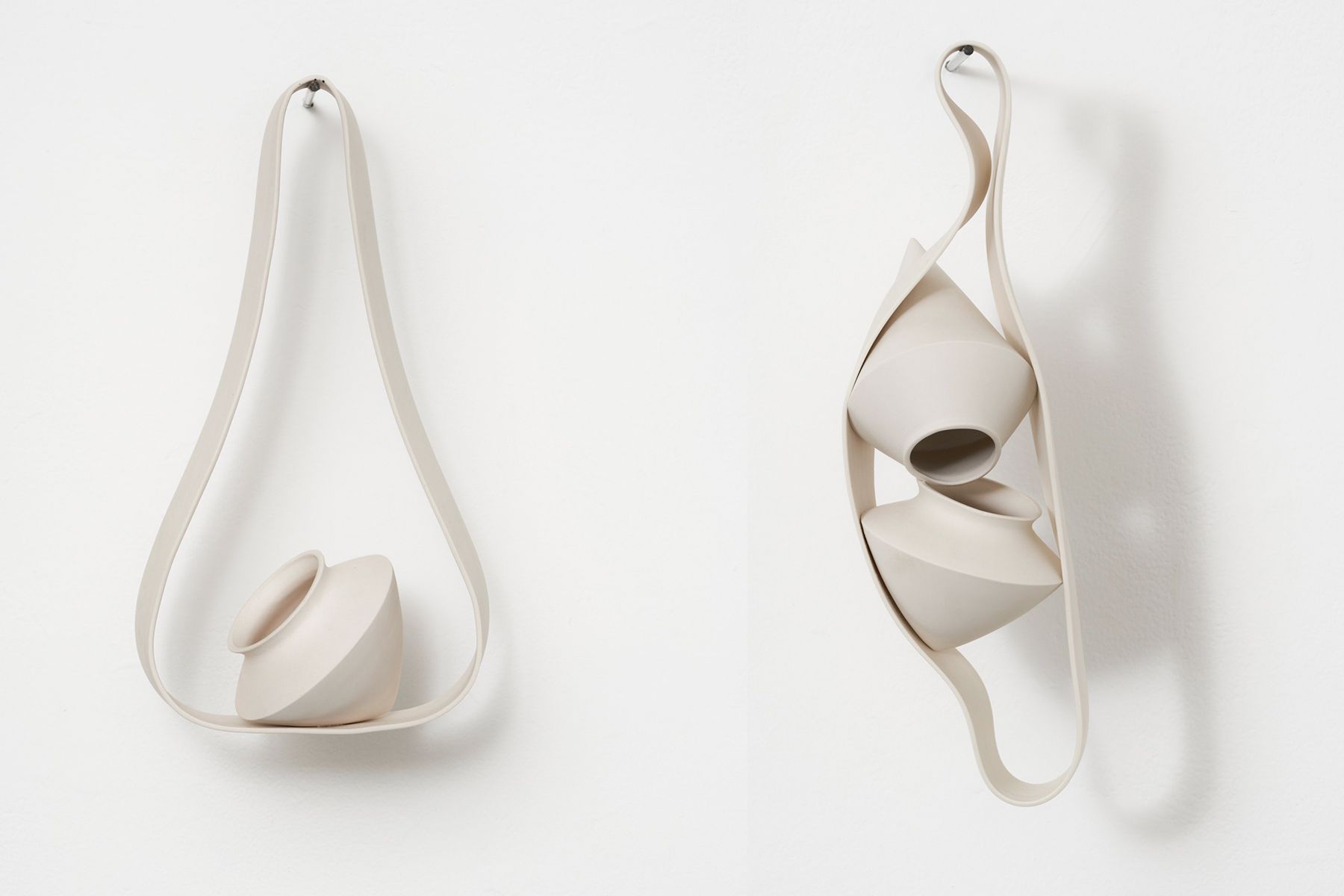
Noam Kisch, ׳Studies in Gravity׳, final project, 2022
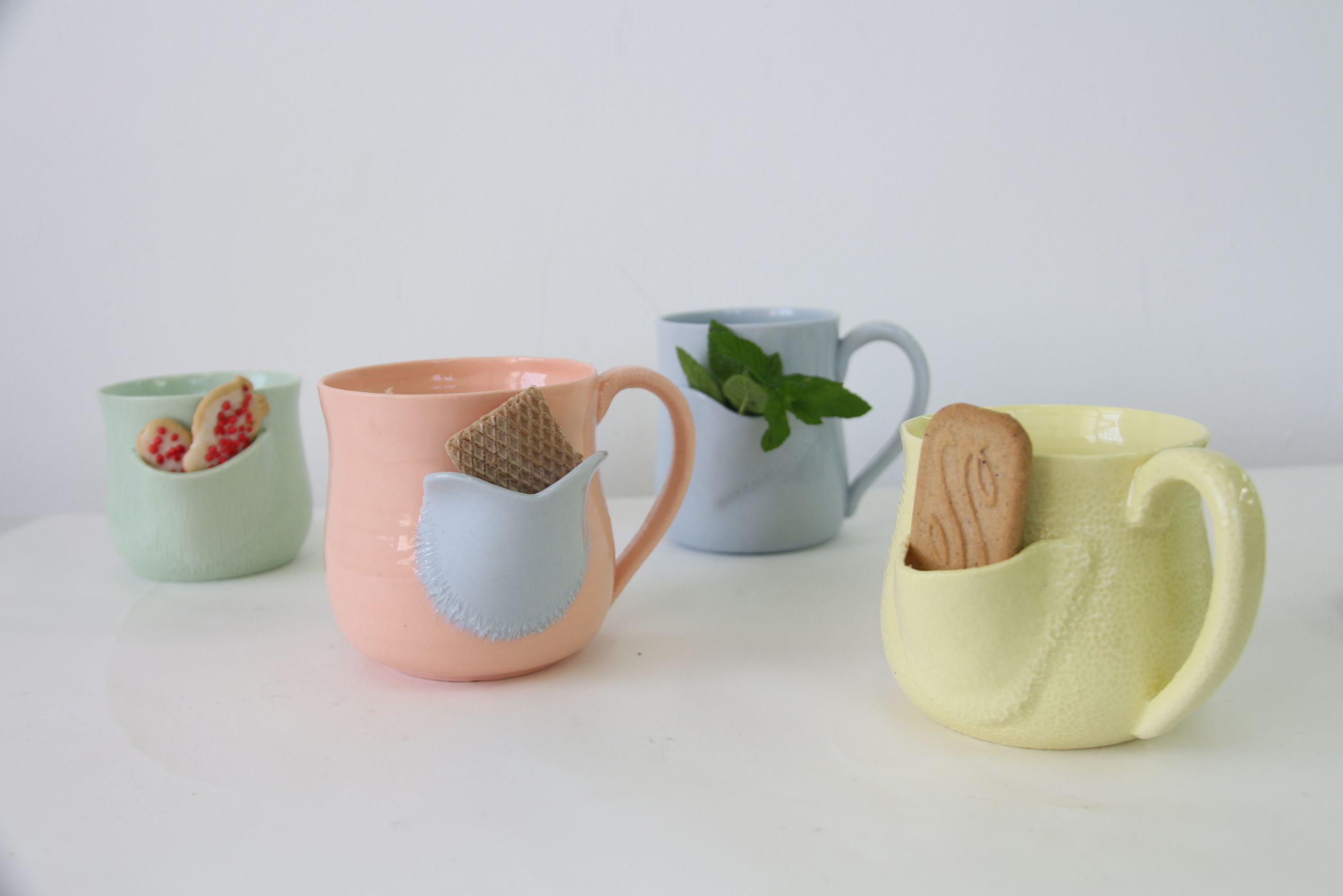
Mor Amgar
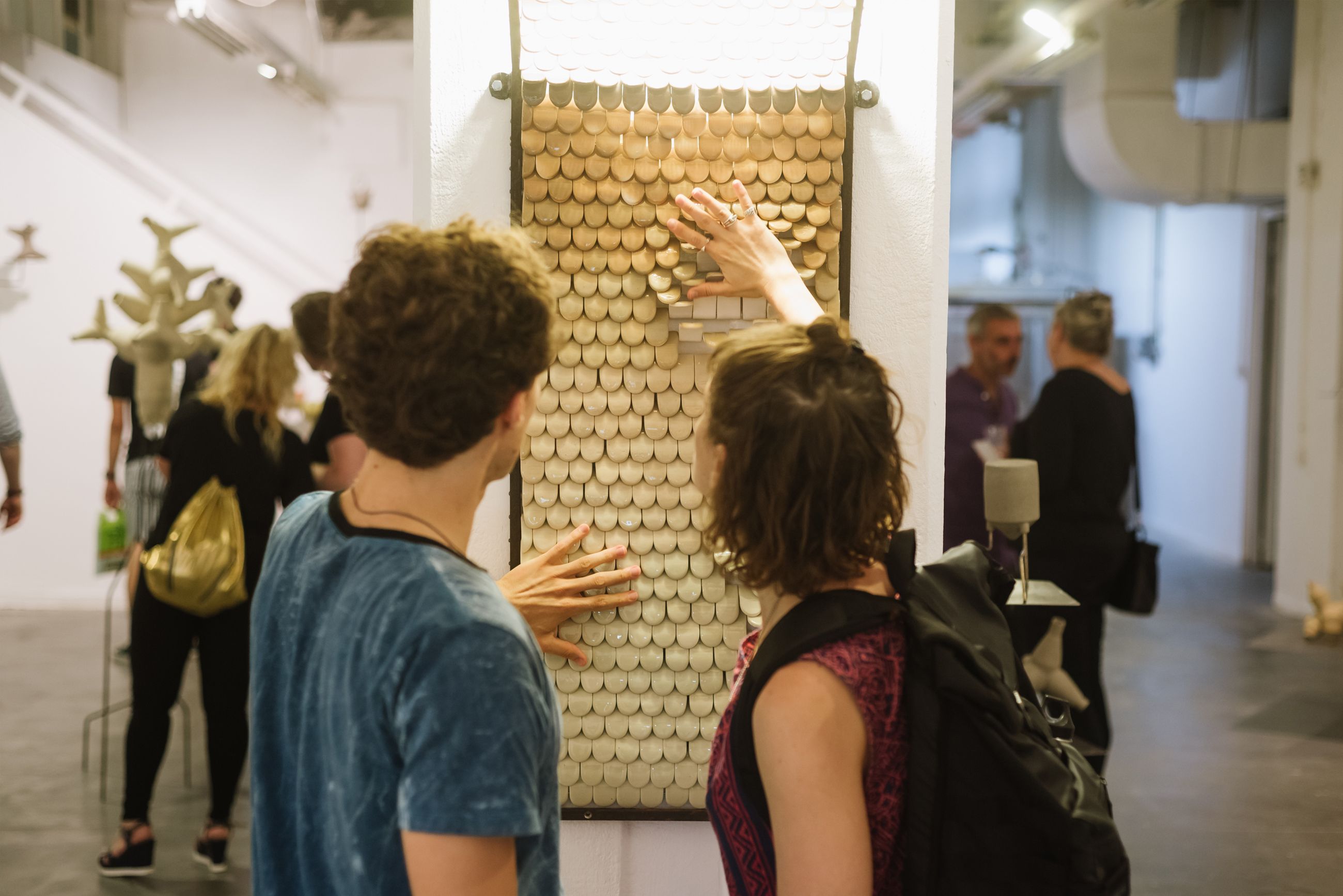
Photography: Dor Kedmi
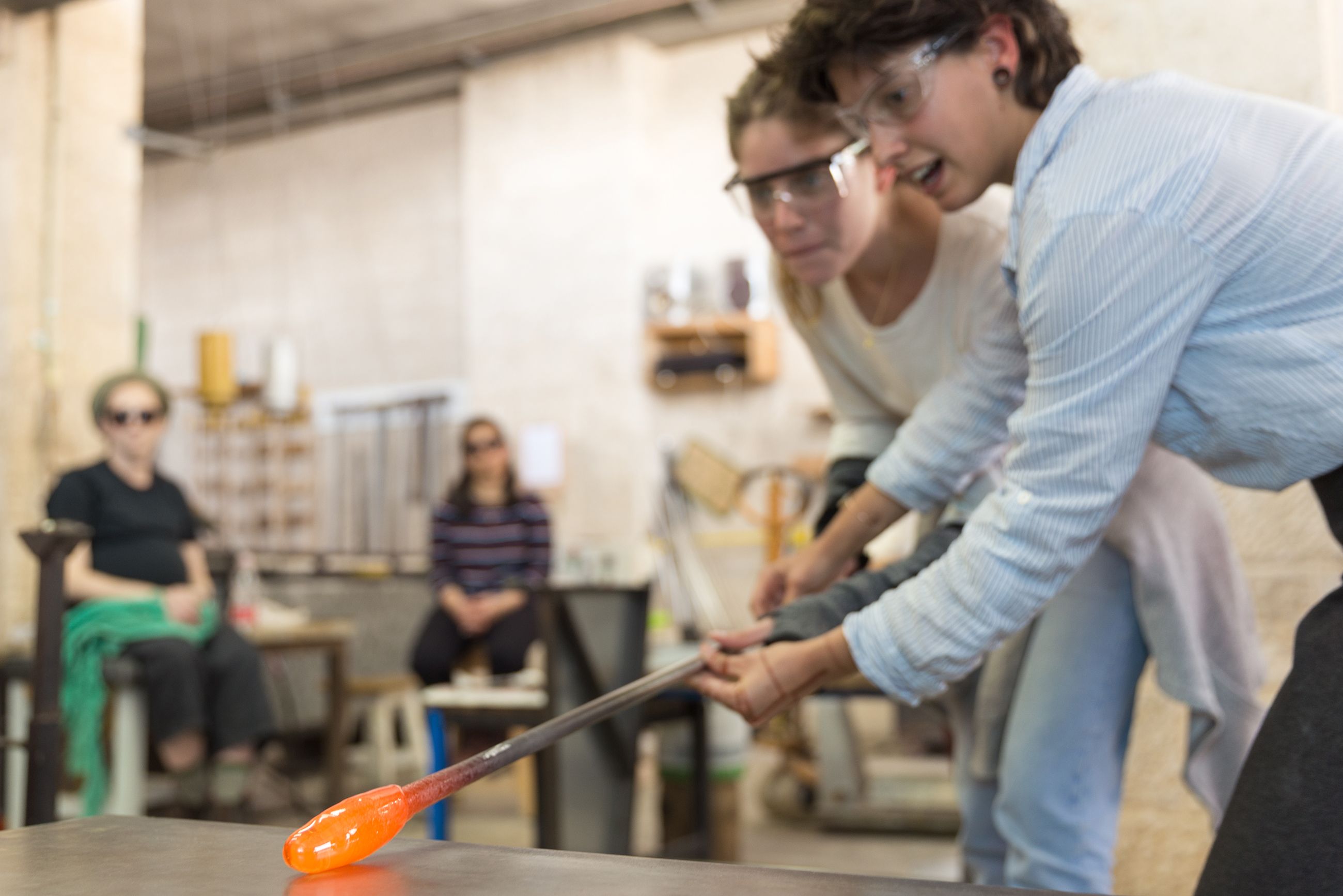
Photography: Yuval Naor

Photography: Yuval Naor
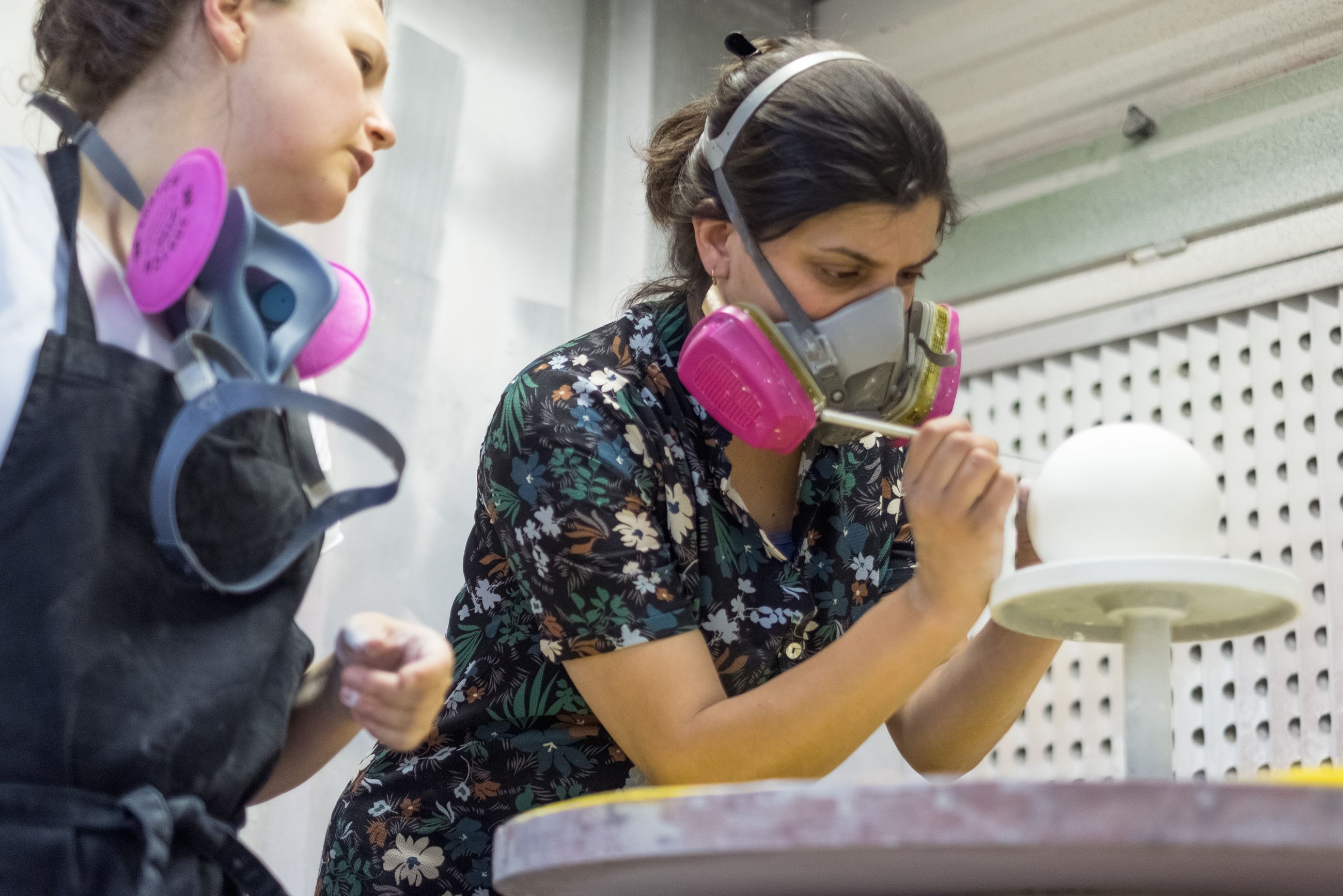
Photography: Yuval Naor
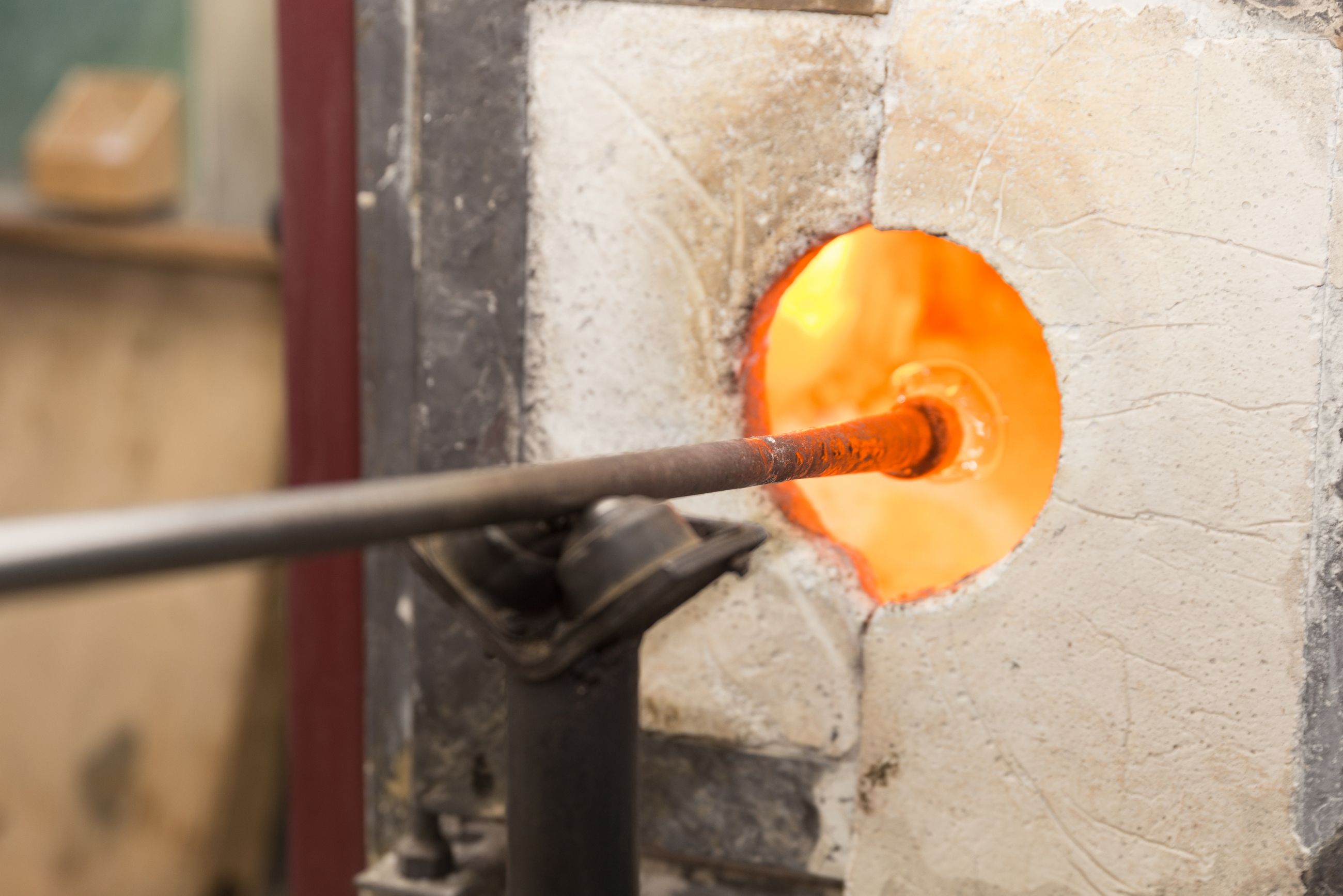
Photography: Yuval Naor
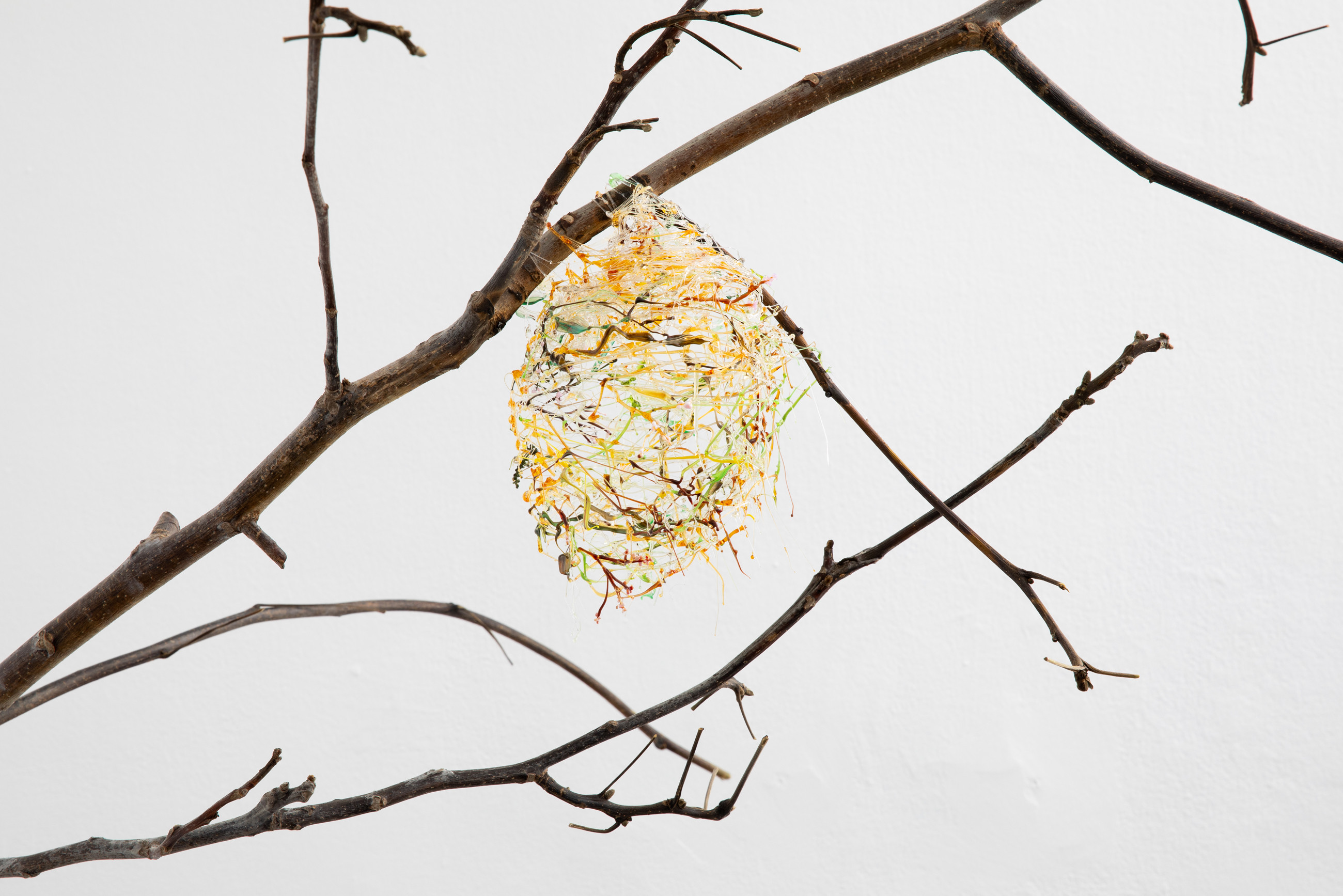
Ella Oppenheimer, 2020
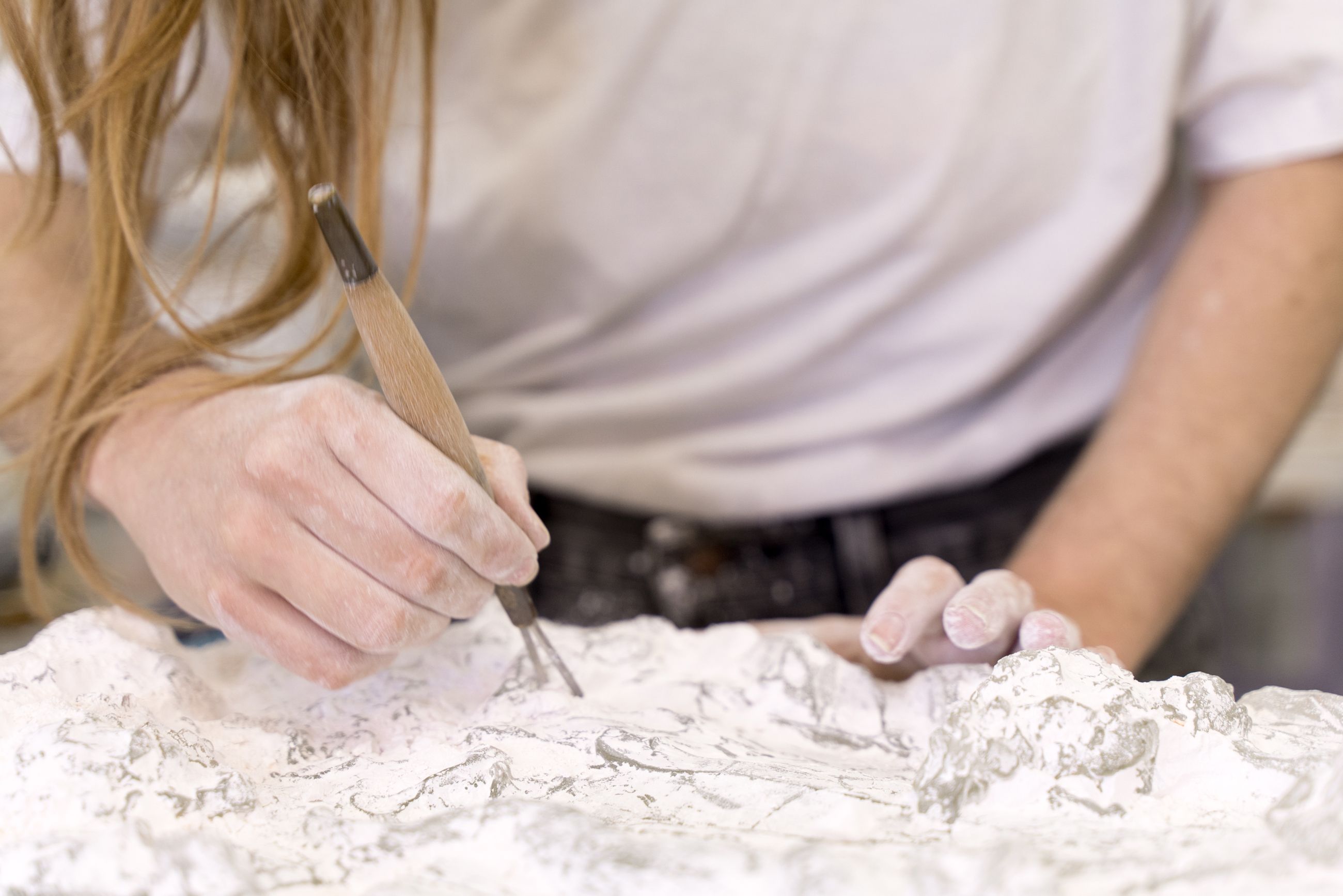
Photography: Yuval Naor
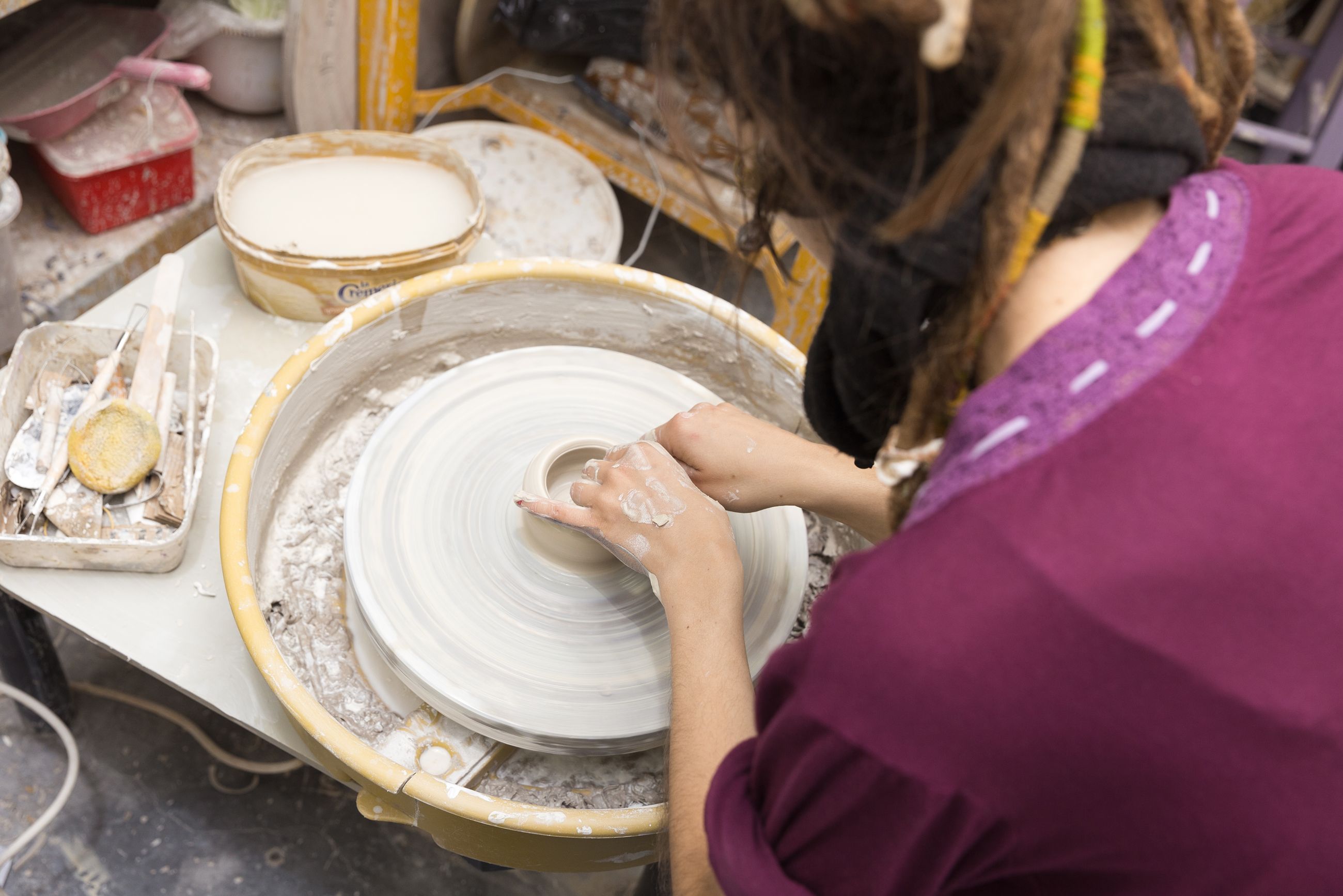
Photography: Yuval Naor
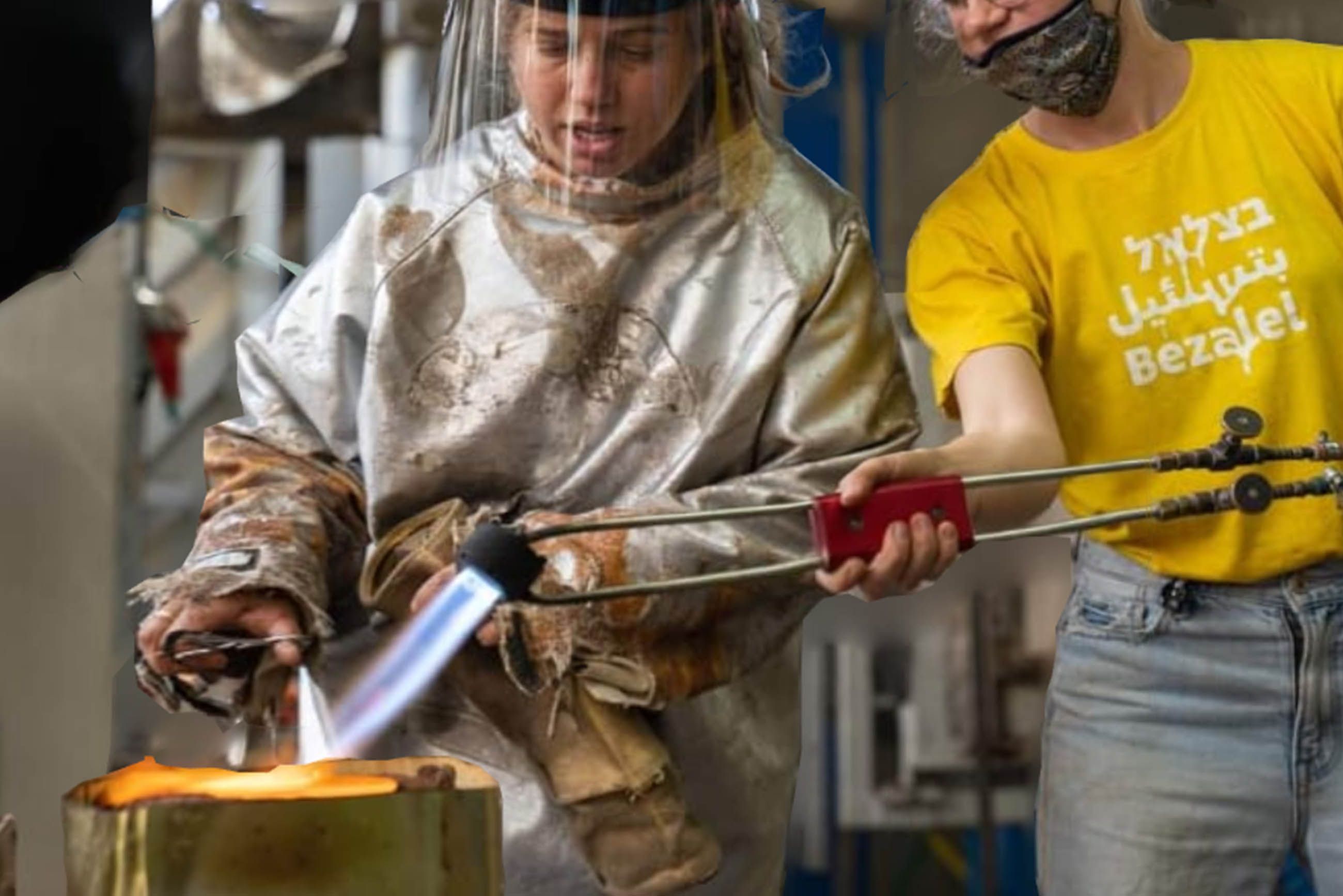
Photography: Dan Hashmonai
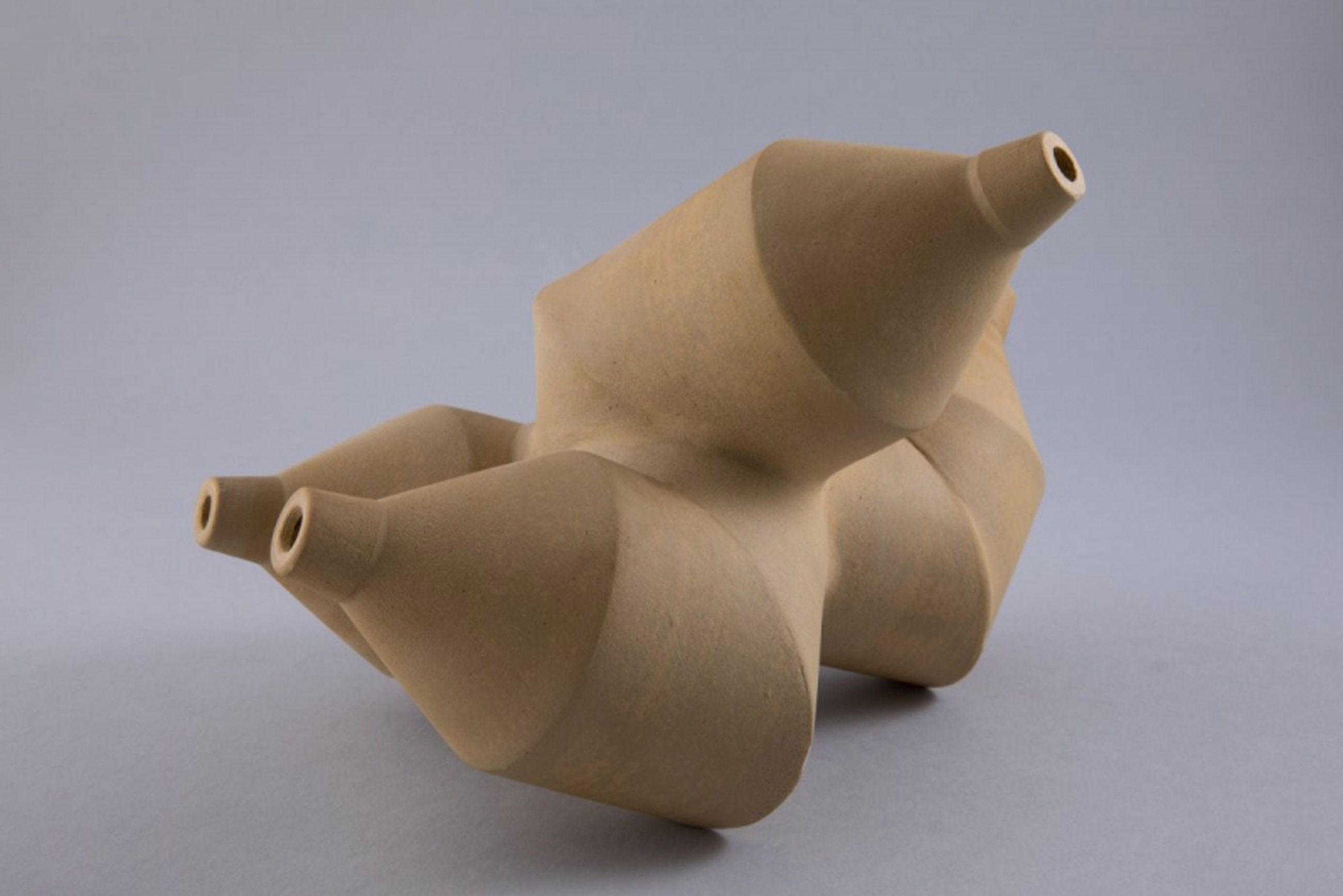
׳Representation׳, Assaf Cohen, 2019
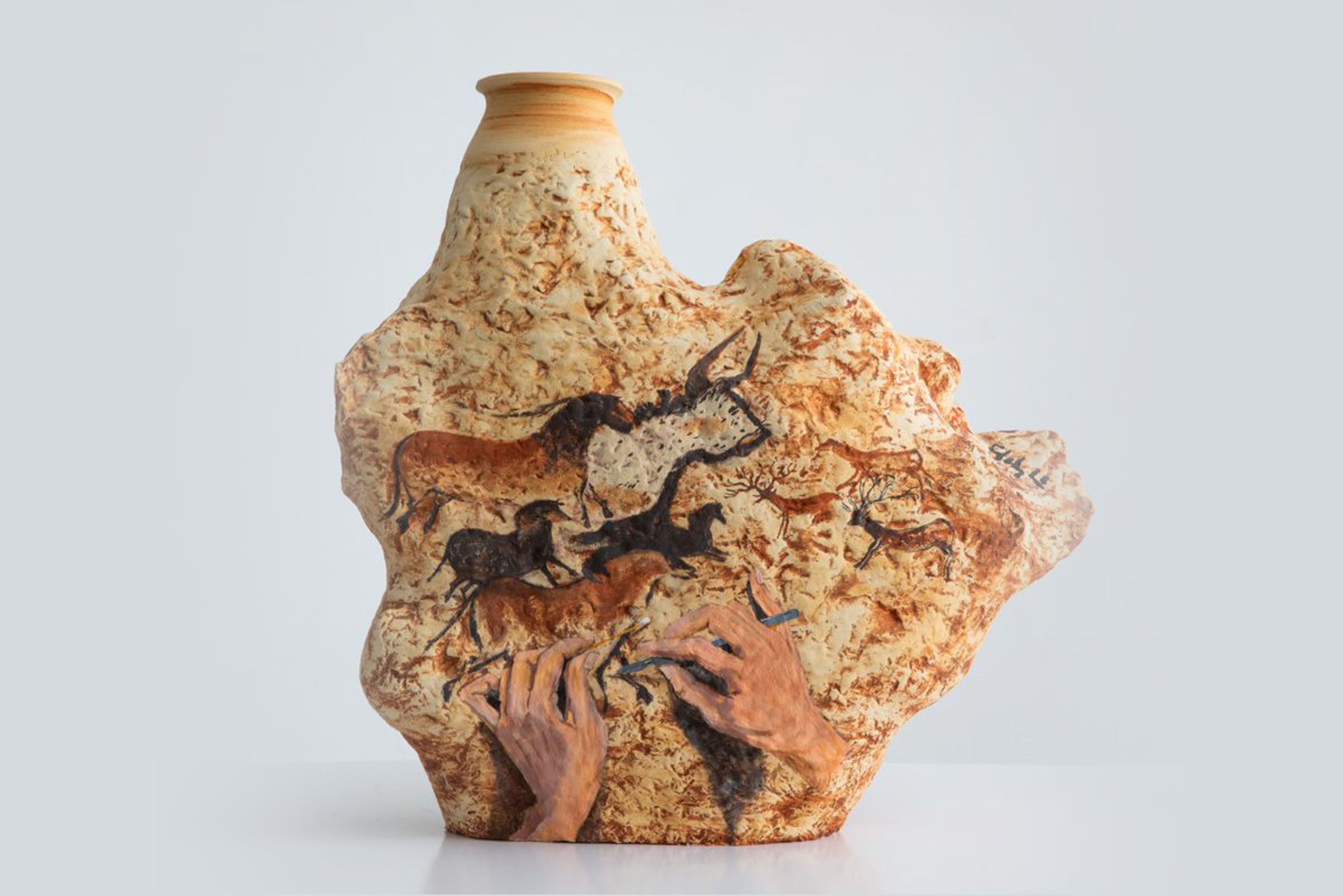
Evgenia Kirshtein, 2021
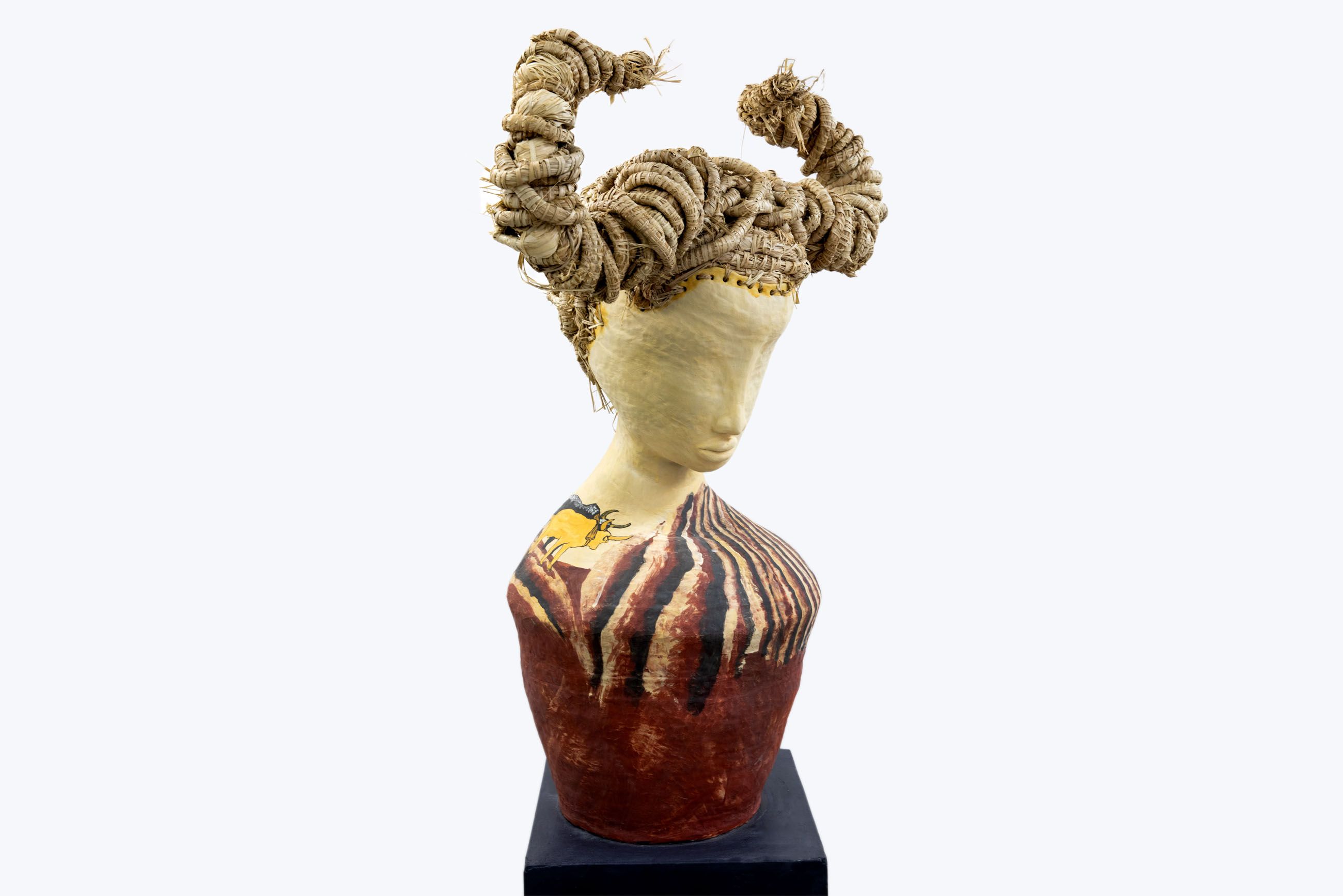
׳Transitions׳, Enatnesh Yallow, 2021
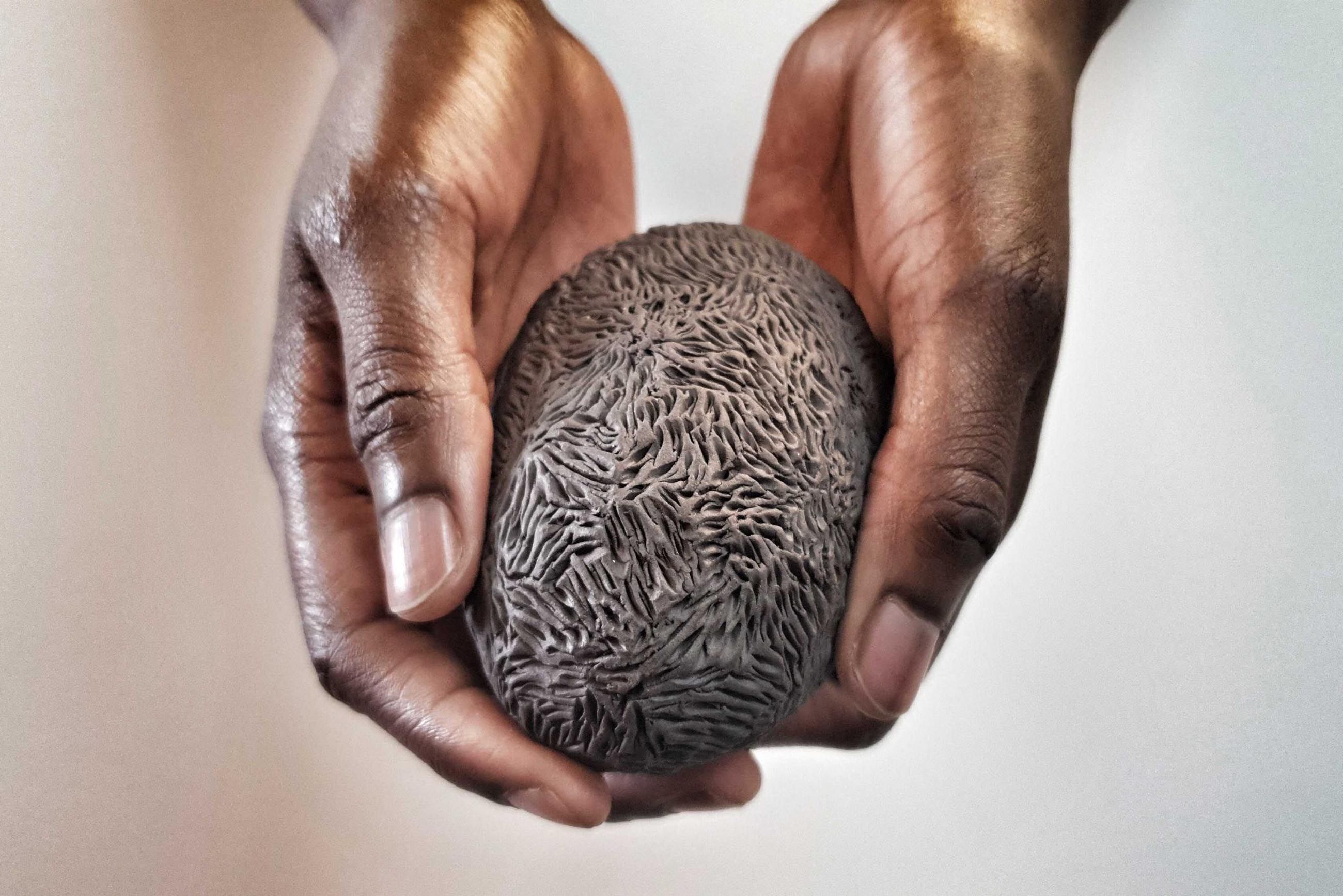
׳Anchor׳, Mor Amgar, 2020

׳Still.Life.׳, Noa Lamdan, 2021
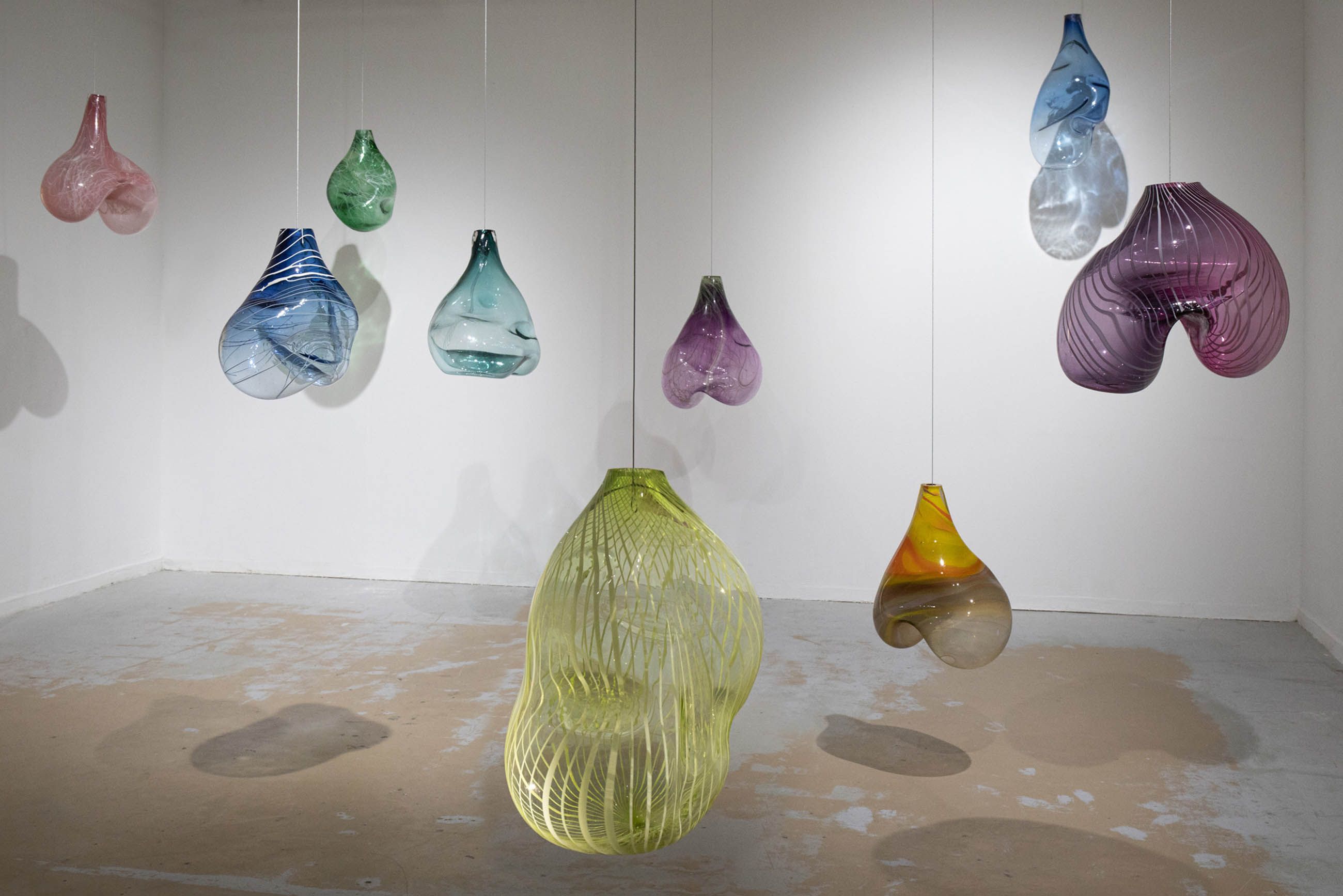
׳Interlacing׳, Ariel Aravot, 2020
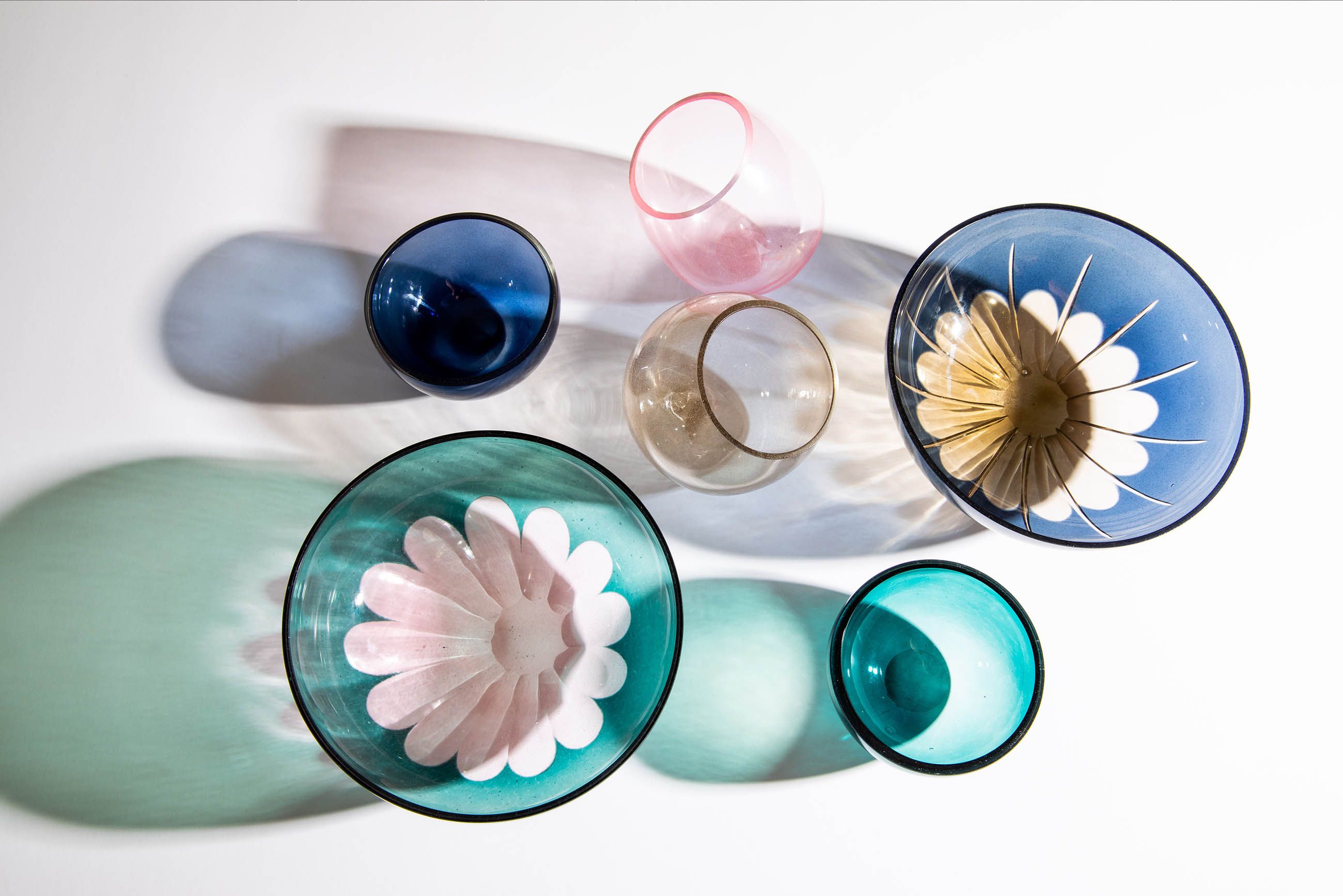
׳Divided and Complete׳, Charlotte Avigail Jutrem Cohen, 2021
Main Content
Registration for the undergraduate programs at Bezalel Academy. For information and registration >>
The Department of Ceramics and Glass Design is the only academic degree program of its kind in Israel and the Academy’s only program that focuses on the essential understanding the primary materials involved – ceramics and glass. Combining craft and art, students are taught the secrets of ancient materials and given the resources to find ground-breaking new directions for their chosen mediums. Using their acquired knowledge and skills, students can expand their craft to embrace new media, tools and contemporary viewpoints – infusing the visual legacies of Israel’s diverse communities into the future of artistic culture. With this approach, the Department empowers and energizes the students to explore, discover and think out-of-the-box, giving them the freedom and space to realize and pursue what speaks to them personally.
In the world of art and design, professionals need to be recognized as unique – so the Department of Ceramics and Glass Design provides a unique curriculum for each student. Together they learn to marry multiple disciplines, technologies, values and visual culture; individually, they learn to express their singular conclusions through the language of their craft, graduating with superior skills, self-awareness and the ability to present their work to the world.
The Department deals with all design aspects related to today’s most topical and timely issues: from the connection between material activity and digital media through questions about sustainability and ecology to discussions about social and ethical values.
We believe our students come to Bezalel to acquire more than an outstanding professional education but rather to become active partners in developing an ethos of quality, accuracy, commitment and enthusiasm that will change the face of Israeli society. It is precisely the craft tradition (art) that offers a critical starting point and an alternative and value-laden response to the adversities and despair of 21st century society.
The Department is home to those who dream that change can take place and they can help make that happen.