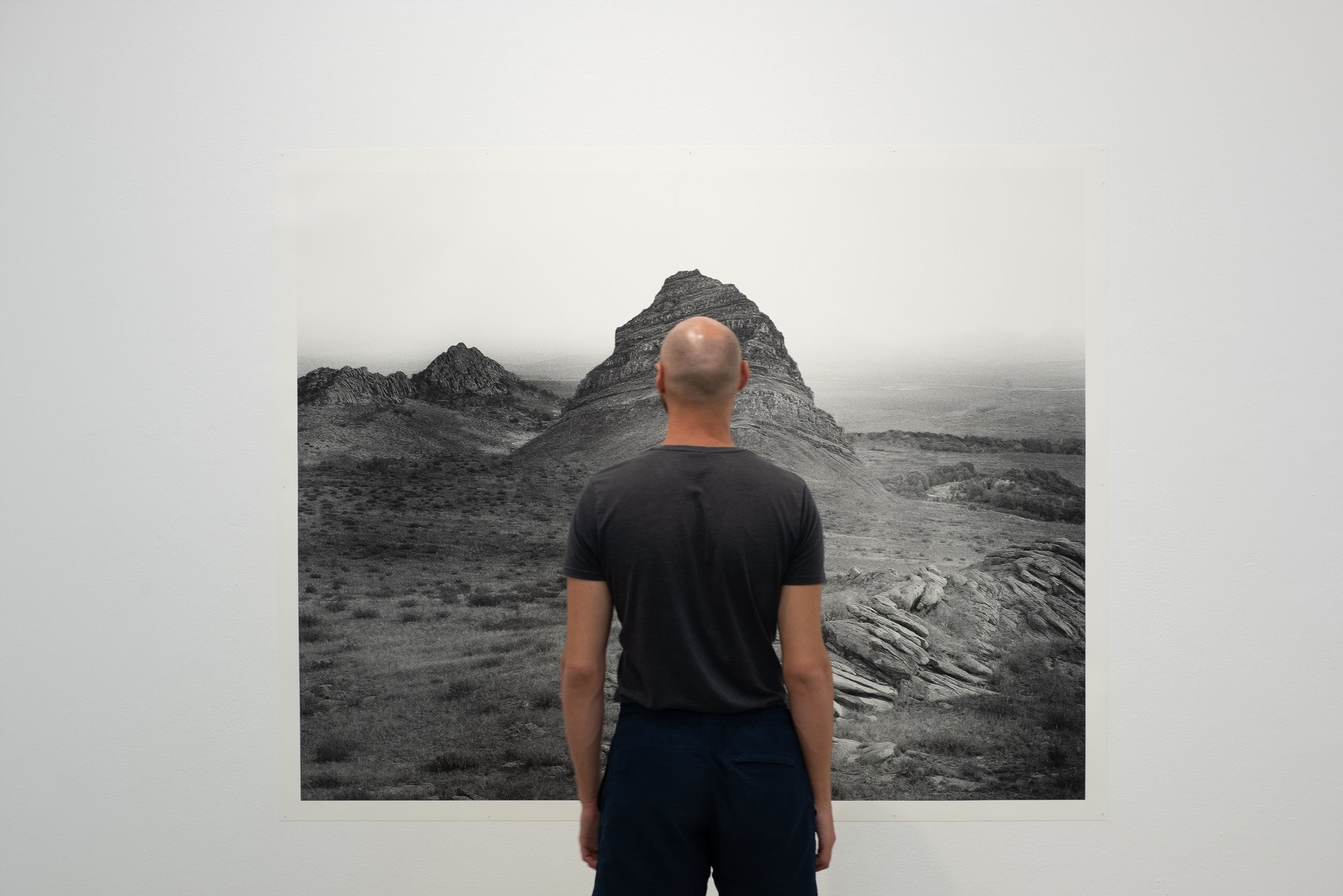
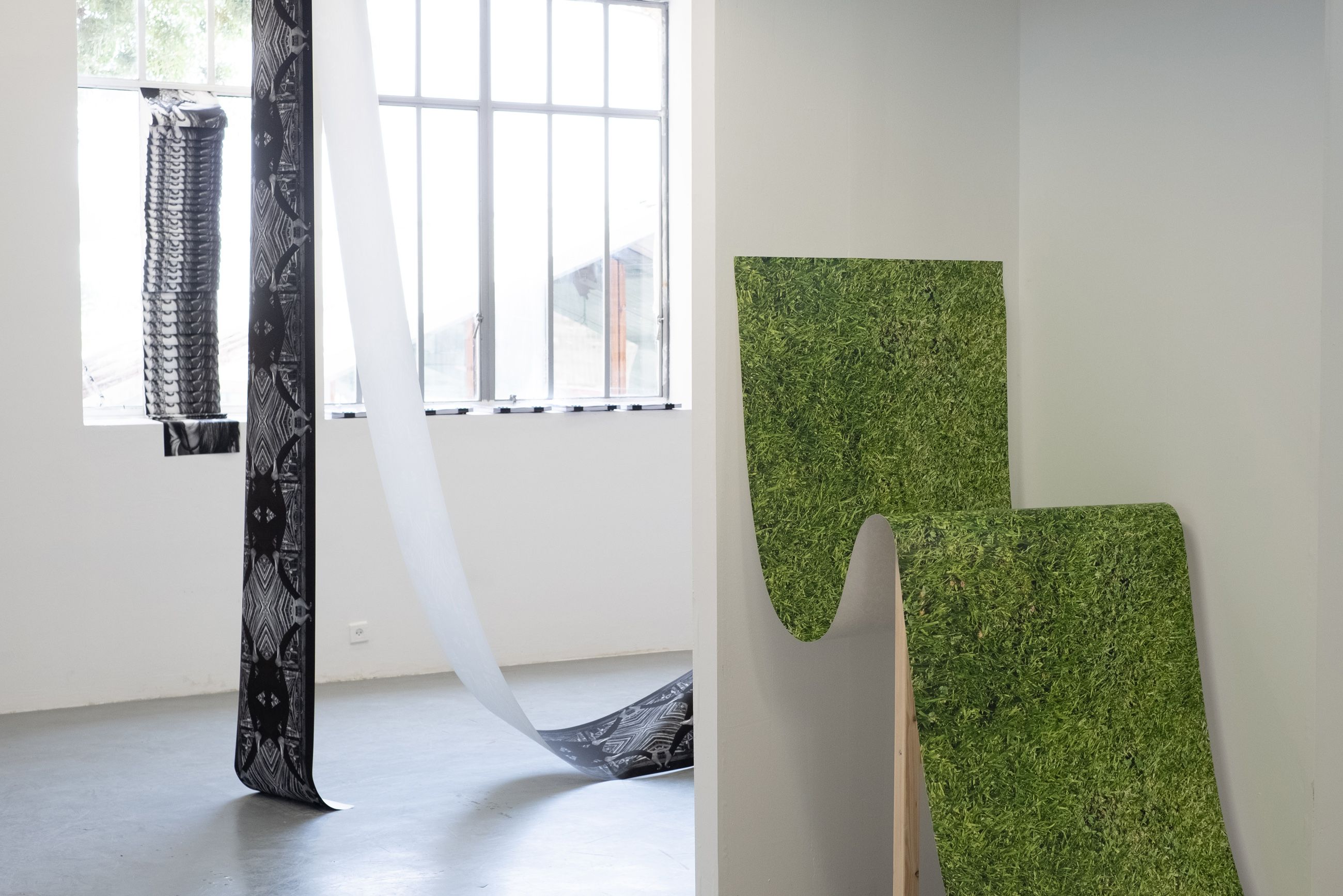
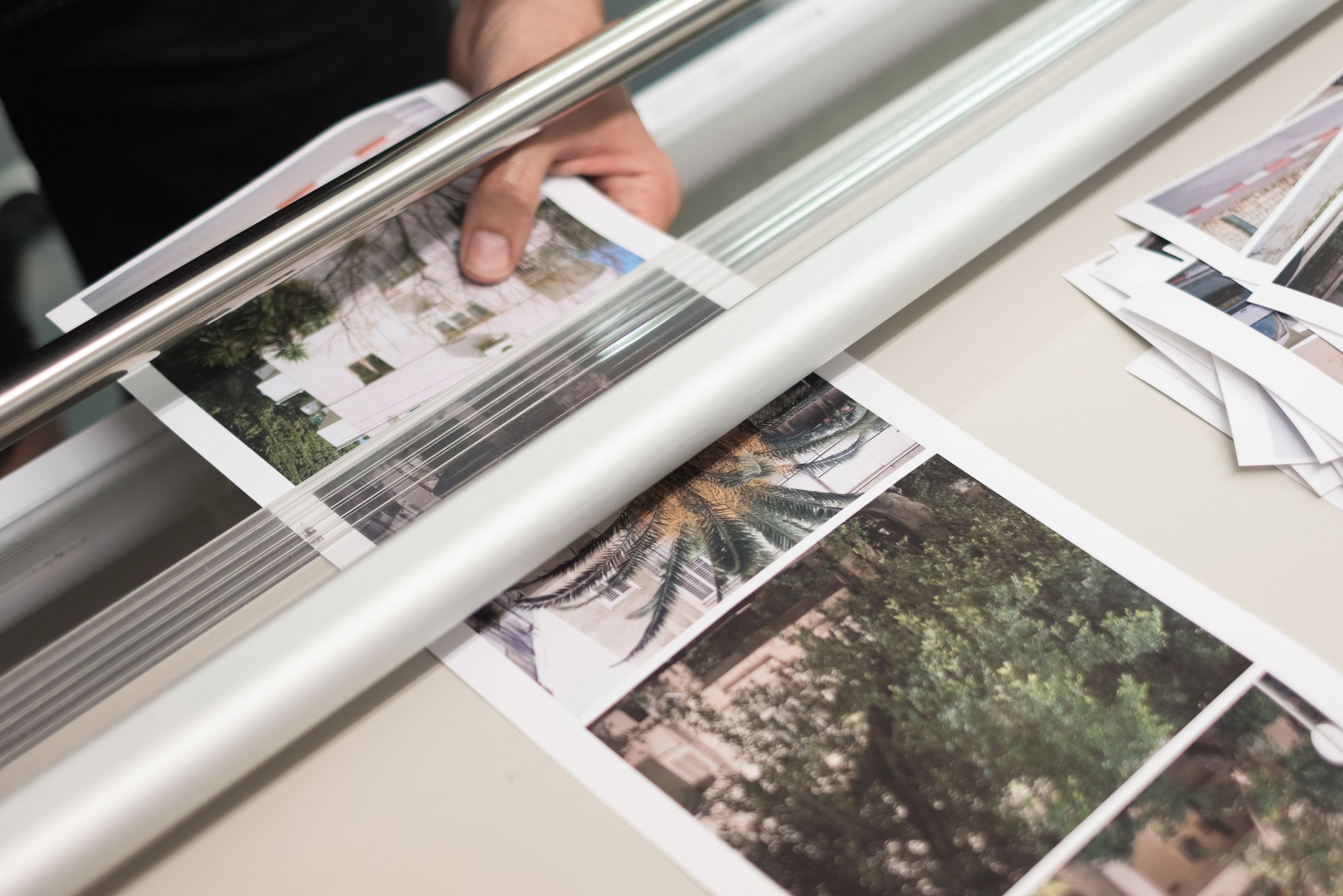
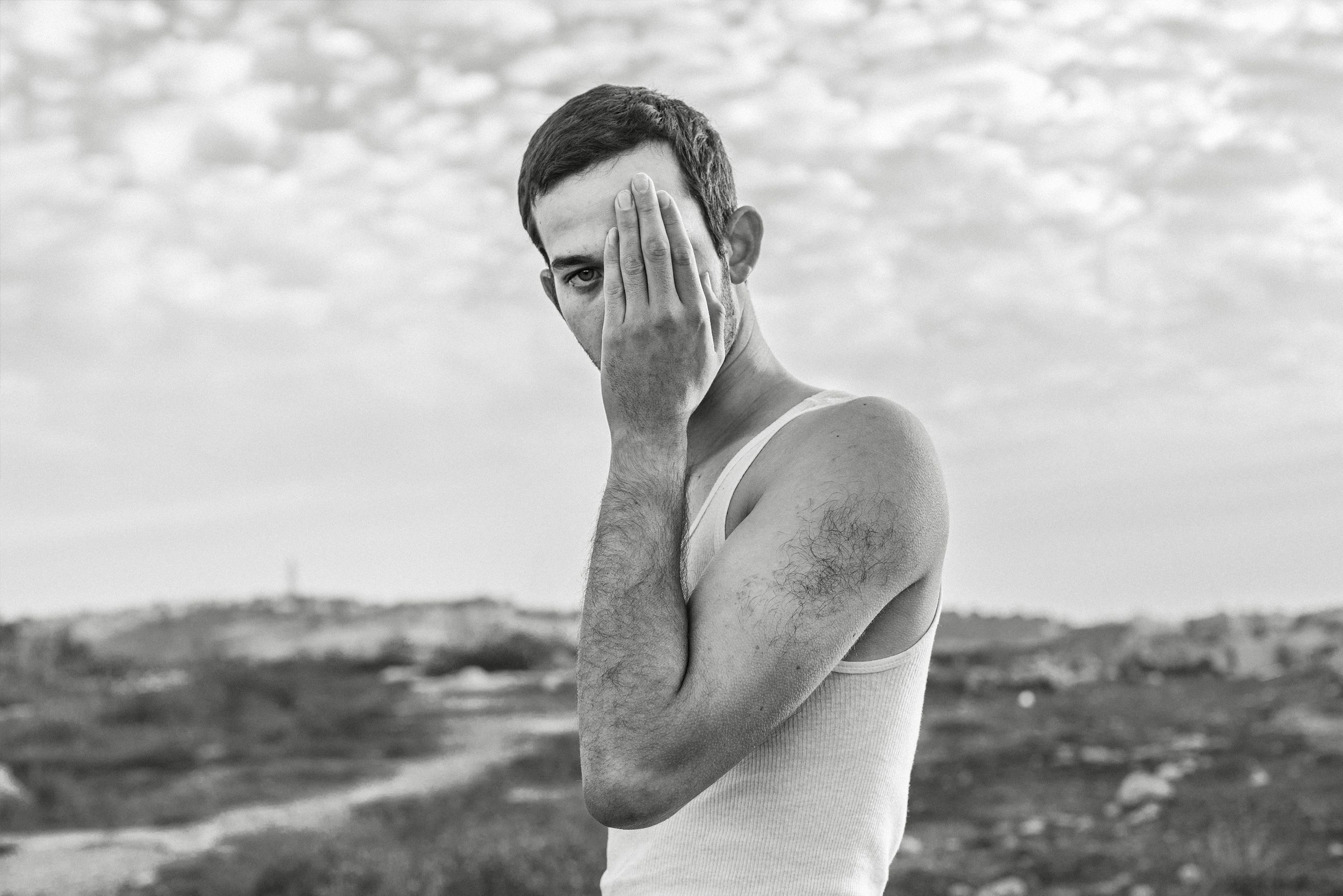
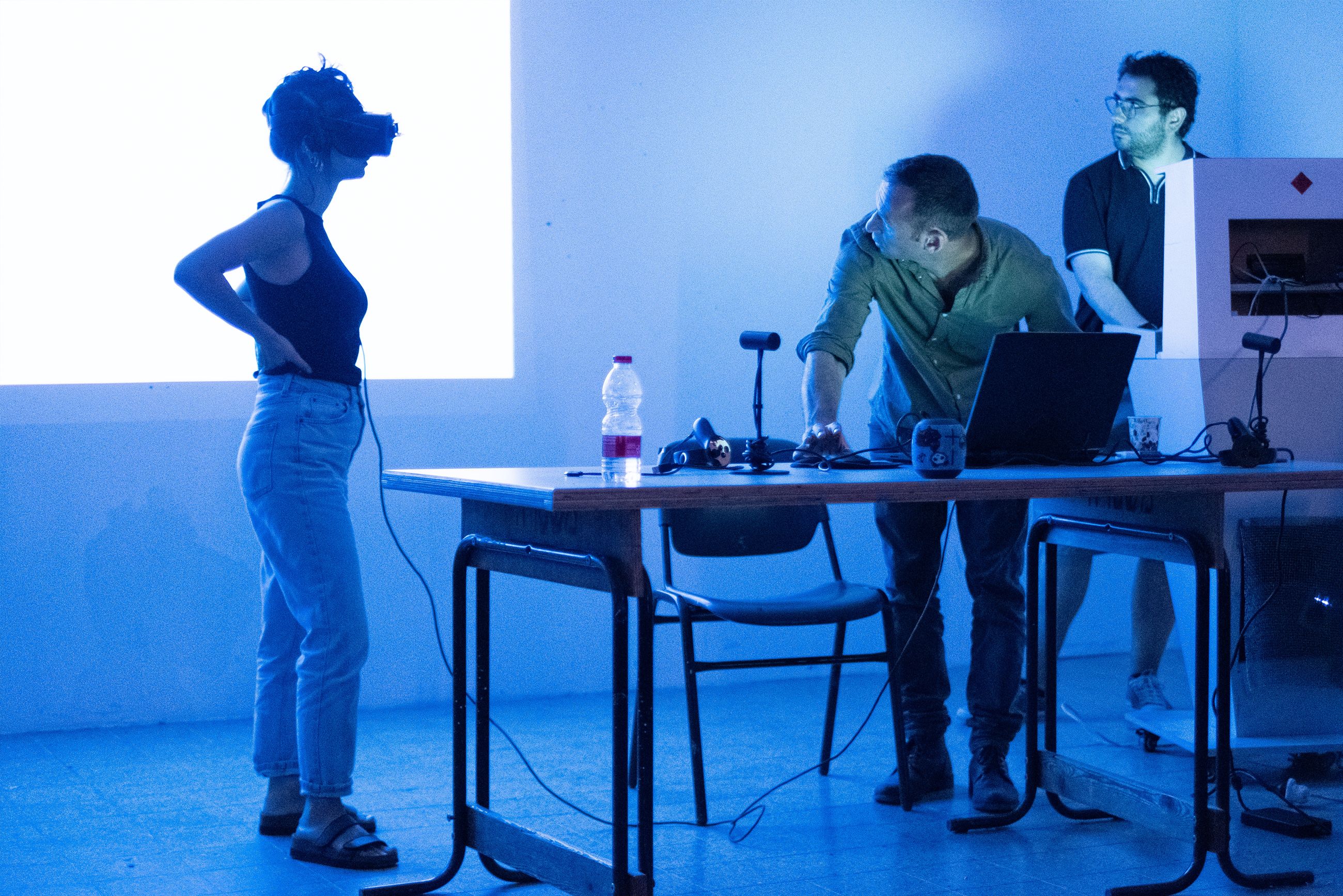
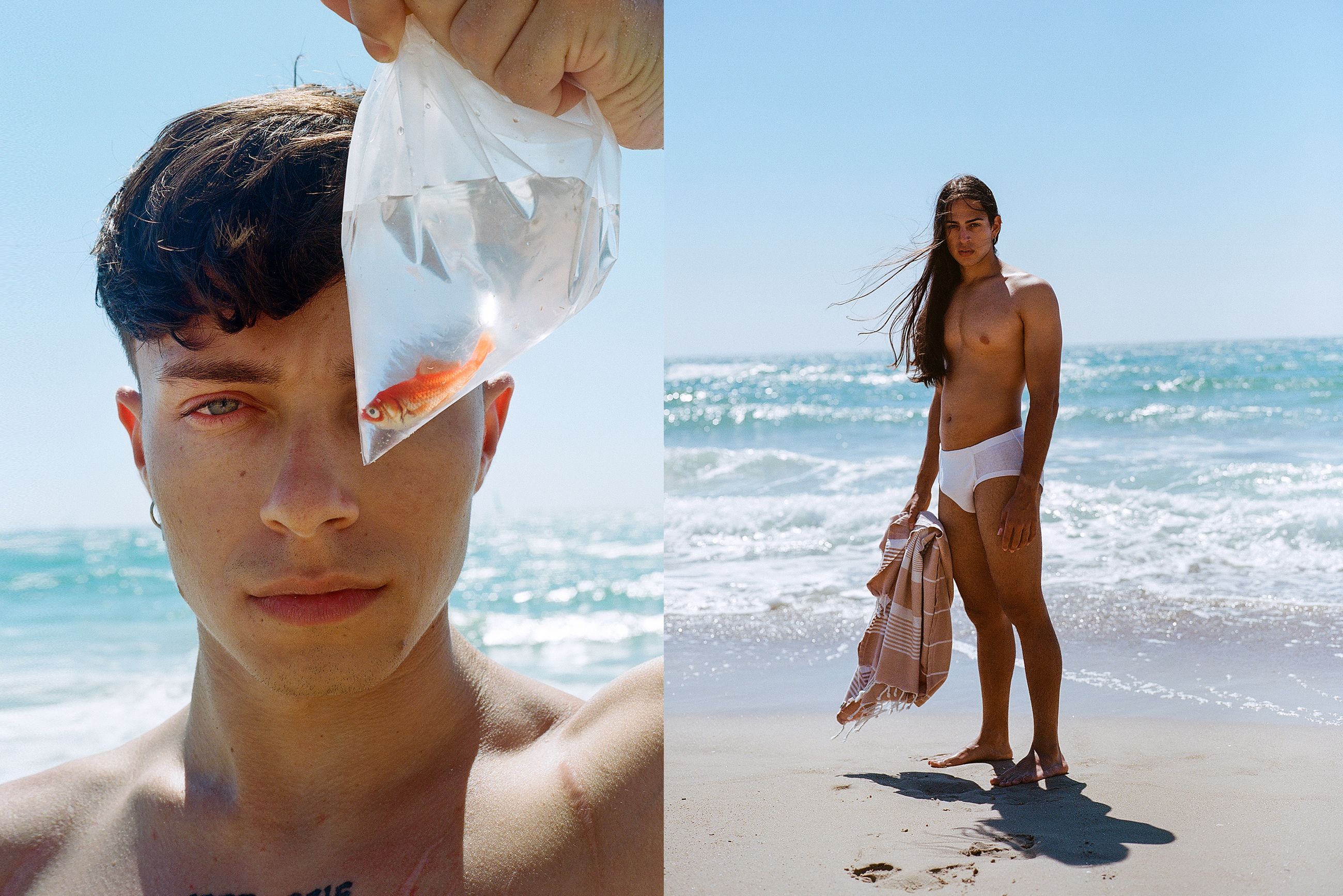
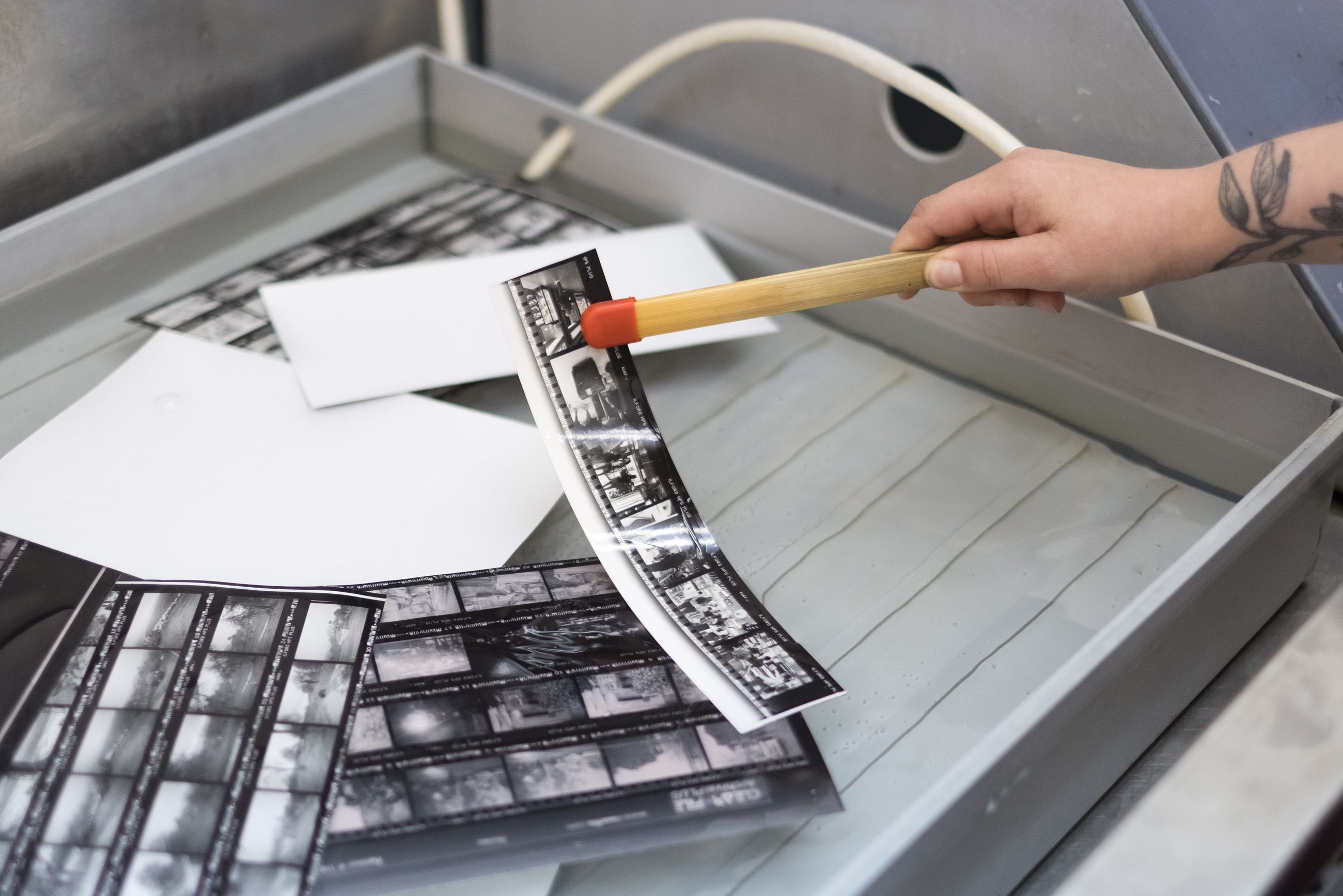
The Bezalel Department of Photography provides the student with all of the tools required to produce a competent photographer – artist, proficient in all the different and varied realms of photography. In the course of studies in the department, the student will learn to develop both technical and theoretical skills, while internalizing the historical and conceptual relations that accompany the continuous assessment of his identity as an artist who is aware and dedicated to the environment in which he functions.
The understanding that the "point of view " - a commonly used term in the photography jargon - first and foremost a derivative of the place where the photographer stands in the conceptual, critical and physical sense - will help the student express himself in the world of art. The curriculum exposes the student to the spectrum of the language of photography, which is extensively broader than the field of sight.
The language of photography examines and raises queries in contexts of time and place, and requires developing skills of observation that can distinguish between object and representation. The student will learn to recognize the theoretical ability of photography which enables the manifestation of a layered, visual text that expresses both concepts and ideology, and creates an original, personal, open and innovative statement.
Within the framework of studies in the department the students broaden and develop their senses of inquisitiveness, integrity and creativity – all essential values for the existence of art.
The Curriculum
The studies in the Department of Photography and Video are comprised of a four year study program granting a Bachelor of Fine Arts degree (B.F.A.). In the first and second years of study, the students are required to complete the annual compulsory courses that include the basic studies which imbue the technical, practical, theoretical and content-related tools with reference to photography as an original medium in its broad range of fields and aspects, and other interfacing media, such as the computer and video. The student's first two years in the department are dedicated to fundamental studies in the framework of compulsory courses. Learning takes place through structured and supervised work, lessons, projects and exercises, and the student's independent work.
The third and fourth year framework of advanced study enables the students to develop, form and focus the nature of study through working and creating within the realm of their own personal tendencies. The fourth year is mainly dedicated to a final project, which upon completion is presented by the student in a personal exhibition along with a written paper. During the course of the year each student must conduct research on a topic of his choice, carry out an in-depth study of the topic working independently, while assuming responsibility for the procedures of research, work and composition. Finally, the student must summarize the results and include these in a general exhibition of the final project. The department studies are not defined as specializing in photography intended for commercial fields; however, upon completion of studies, the technical and professional infrastructure and the broad education acquired during the course of study constitutes a broad foundation for commercial and professional applications in the many and varied fields of photography.
The study program requires participation in all of the compulsory courses and a given quota of elective courses offered in the curriculum. A study week encompasses around 30 hours of academic instruction, in addition to independent work in workshops or outside of the academy.
The study program is compiled of both compulsory and elective subjects. The choices and work opportunities attuned to personal choice continue to increase as one moves on to the more advanced years of study. During the first years of study an infrastructure is formed on which the students will base their choices, research and personal work in the later years of study, as well as in the final exhibition upon their conclusion. Studies are based on initiative and the students' assuming responsibility for their own, personal progress, while continuously encouraging them to form additional associations and work contacts in other departments and outside of the academy as well.
Final Project
The final project is intended to lend expression to the knowledge that has been acquired throughout the years of study in the department of Photography and Video in particular, and at Bezalel in general, and the personal achievement level of each and every student. Along with the final project and the exhibit, and as an integral part of the final project, each student is required to submit a written assignment at the end of the scholastic year. A special workshop will provide all of the guidelines for writing this paper in regard to the scope, the structure, the form, content and such.
Study Procedures and Directives – The Department of Photography
Grades
At the end of the semester, the scholastic year or any other stage that has been determined, the student's grades will be recorded in the transcripts of his or her personal file. The final semester's grades will be considered the final and conclusive grades. The student is obligated to check and verify his or her status of studies with the departmental secretary at the end of each semester. At the end of each scholastic year the student will receive an evaluation of his/ her studies and a grade transcript for each of the courses he or she studied during the course of the year. An assignment may not be completed after the semester or scholastic year has ended. All evaluations and grades must be submitted on the dates that have been determined in advance.
The following data will be taken into consideration upon the submission of evaluations: Ability of thought and perception, submission of work and technical performance, definition of subjects, work procedures, openness and originality, imagination and boldness, creativity, resourcefulness, ability of visual expression, diligence, experimentiveness, designing ability, participation and progress.
Departmental Work Procedures
- Each and every student in the Department of Photography must have his or her own personal equipment such as a camera, tripod, light meter, container for developing film, an easel and additional accessories. A detailed list of the personal equipment required for each student may be acquired in the department office. Photography materials (and certain items for video and computers) are at the students' expense and they are responsible for their purchase. Chemicals and materials for studies and current activity will be supplied by the department.
At the beginning of the year every student in the Department of Photography will pay for lab fees and for use of computer equipment. The amount will be published at the beginning of the scholastic year.
- The academy has a central warehouse for loaning out equipment, where professional, technical and electronic equipment will be loaned to assist with needs of studies and practical work.
- The students will be required to take part in the responsibility for what occurs in the classrooms and the laboratories in the framework of class duties and as trustees of the department.
- Certain items of photography and video equipment will be loaned out to students on occasions that will be published in advance. Equipment will be loaned out for the purpose of preparing personal and class exercises and projects in the framework of studies. The period of loan will be determined by the party responsible, according to the type of equipment, the purpose of its loan and the rate of its demand for use. One must remember that the students are responsible for the equipment's working condition and intactness while on loan and upon its return. This equipment may not be loaned to others or used for purposes that are not in the framework of academic studies. The borrower will be responsible for full coverage of any damages caused to the equipment as a result of improper or unconventional use.
- If the installations belonging to the Department of Photography are not engaged in another activity, they are available to the students in the department every day of the week, in coordination with the technicians and those responsible for the equipment and in accordance with the department's rules and regulations.
- The students who work in the photography and video laboratories and studios are required to take care of the installations and equipment, maintain their proper functioning, cleanliness, remain within the schedules of the workshops and lending out of the equipment and heed the directions of those responsible inat workshops, and the instructions of the lecturers, the guides and technicians.
- Upon completion of work, one is required to return the equipment, organize and clean up the work space.
- Private and commercial works may not be done in the Department's studios or installations, or using the equipment that was borrowed from the department or the academy.
- No strangers, friends or relatives may enter the department installations without obtaining the permission of the Head of the Department.
- Special permission must be obtained from the Head of the Department regarding any exceptional work in the department and any work with (or for) students from other departments.
- The academy and the Department of Photography maintain the right to retain chosen works of its students, and to exhibit and publish these.
- Students who are part of the four- year course of study in the Department of Photography will not show or publish works without the permission or approval of the teaching committee. Each and every student will sign an agreement regarding copyrights, which comes to legally resolve the relationship between the student and the academy, pursuant to the laws concerning these issues, and to the Students Article of Association.
- Regarding any other subject that may arise, one may refer to the head of studies in photography, video and computer imaging, either orally or in writing.