Exhibition | Cross Beam
The Clore–Bezalel Scholarship for postgraduate study at the Royal College of Art in London was established in 1985 by the Clore Israel Foundation at the initiative of Dame Vivien Duffield, Chair of the Clore Foundations in Israel and the UK. The scholarship enables outstanding Bezalel graduates in art, design, architecture, and theory to pursue a fully funded master’s degree at the RCA. In 2026, four decades after the scholarship was established, 41 artists and designers have completed postgraduate studies supported by the scholarship.
To mark this longstanding partnership, the exhibition Cross Beam is presented at Bezalel Academy of Arts and Design, Jerusalem. The exhibition features selected works by Clore–Bezalel Scholarship recipients over the years, reflecting a wide range of creative practices and research fields.
The exhibition and accompanying publication celebrate the work of the scholarship recipients, their academic and professional development, and their far-reaching impact on the cultural and professional fields in Israel and around the world. They also reflect the shared commitment of the scholarship recipients, Bezalel, the Clore Foundation, and the Royal College of Art to equality, freedom of expression, and civic and humanistic education. At the same time, they highlight a commitment to critical pedagogy that challenges established social structures and creates alternatives through professional leadership and social responsibility.
The exhibition’s title, Cross Beam, evokes the Clore–Bezalel Scholarship as both a bridge and a pillar connecting academic study with creative and professional practice: between Jerusalem and London; between Bezalel and the RCA; and between undergraduate and postgraduate study. It reflects the enduring relationship between the two institutions and the two places – a relationship shaped by a continual movement between past, present, and future; between being here and being there; and between life in the Middle East and life in Europe and beyond.
At the same time, the title speaks to the stories of the scholarship recipients and their personal and professional paths traced throughout the accompanying publication. At first glance, these paths may seem quite different: art, industrial design, visual communication, architecture, photography, ceramics and glass, fashion, visual culture, and theoretical research. Yet across this range, several recurring threads emerge. Studies at Bezalel are described as a point of departure, where a personal voice, critical thinking, material curiosity, and a sense of belonging to a creative community take shape. The transition to the RCA is often described as a step beyond the familiar: an encounter with an international field, different traditions, and unfamiliar areas of knowledge that opens up an opportunity to reconsider established practices and ways of working.
Yet this movement flows in both directions. Knowledge acquired in Jerusalem travels to London, while knowledge gained in London returns to Israel and takes shape in new forms of practice: in studios, museums, industry, the art world, research, and academia. For many, this exchange also finds expression in teaching and in shaping the next generation of artists and designers in Israel and abroad. Seen in this light, the scholarship is more than a path of personal and professional mobility; it is a means of creating a living network of knowledge. Over the years, this network has extended across institutions, generations, and places: people move from here to there and back again, continuing to create, research, and teach, and transferring not only professional knowledge, but also ways of thinking, questions, perspectives, and connections.
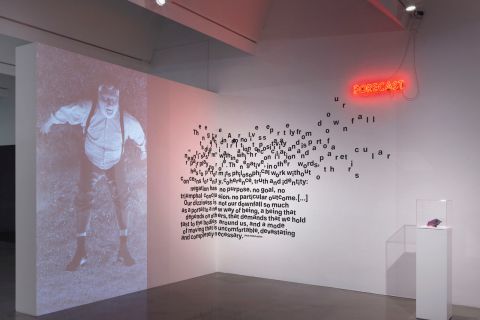
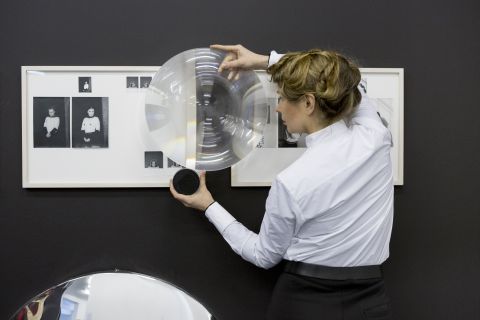
The works in the exhibition explore the intersections of art, design, architecture, and theory through questions of movement, place, and identity. They reflect engagement with medium-specific questions, expanding and redefining disciplinary boundaries, and critically reflecting on established fields of knowledge and expertise. Working across these disciplines offers insights into the political and social realities of everyday life, while opening possibilities for influence and transformation, reimagining the home and the public realm, and considering how creative practice can be active and consequential.
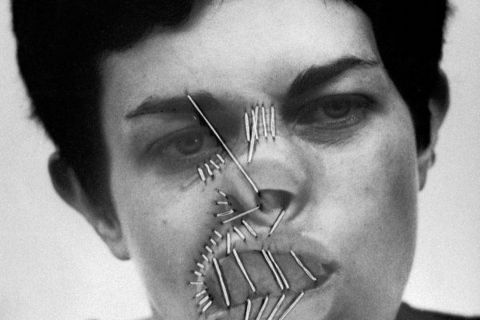
Whether created early in the artists’ careers or produced specifically for the exhibition, the works come together as a polyphonic space of multiple languages, cultures, and traditions. Some focus on innovation and technology, exploring notions of speed, dynamism, and an aspiration toward the future; others turn a research-based gaze toward the past and toward personal and collective memory, including memories that have been erased or suppressed, raising questions about the present and the traumas of our time. Alongside these are works that address global concerns surrounding the climate crisis, consumption, human–environment relations, social sustainability, and environmental justice. Together, they evoke a reality in which dismantling, recycling, and reassembly are at once material processes and ethical positions
Scholarship Recipients:
Musa Dahham Alatawneh, David Amar, Samadar Aukal, Eva Avidar, Noa Chernichovsky, Dor Cohen, Shir Cohen, David Damshek, Shir Daniel, Kamea Devons, Shanit Elkayam Adam, Tamir Erlich, Michal Fargo, Itamar Freed, Niv Fridman, Ganit Goldstein, Ariel Hacohen, Yuval Keshet, Gabriel Klasmer, Abraham Kritzman, Vered Lahav, Gili Lavy, Moshe Marziano, Alon Meron, Yaron Meyer, Maya Muchawsky Parnas, Karen Oxman, Alex Padwa, Zemer Peled, Saja Quttaineh, Lotem Rozen, Avner Sadot, Lobna Sana, Eyal Sasson, Shir Shapira Sharfstien, Ayelet Shats, Noga Shimshon, Alexandra Topaz, Chen Winner, Ella Wolf, Batel Yossef Ravid.
Curators: Ilanit Konopny and Abraham Kritzman
Associate Curator: Mina Reingold
Producer: Suhaila Abu Hadba Mounayer
November 12-26, 2026
Clore Arts & Design Gallery
Bezalel Academy of Arts and Design Jerusalem
Jack, Joseph and Morton Mandel Campus, 1 Zmora St., Jerusalem
Photo Gallery
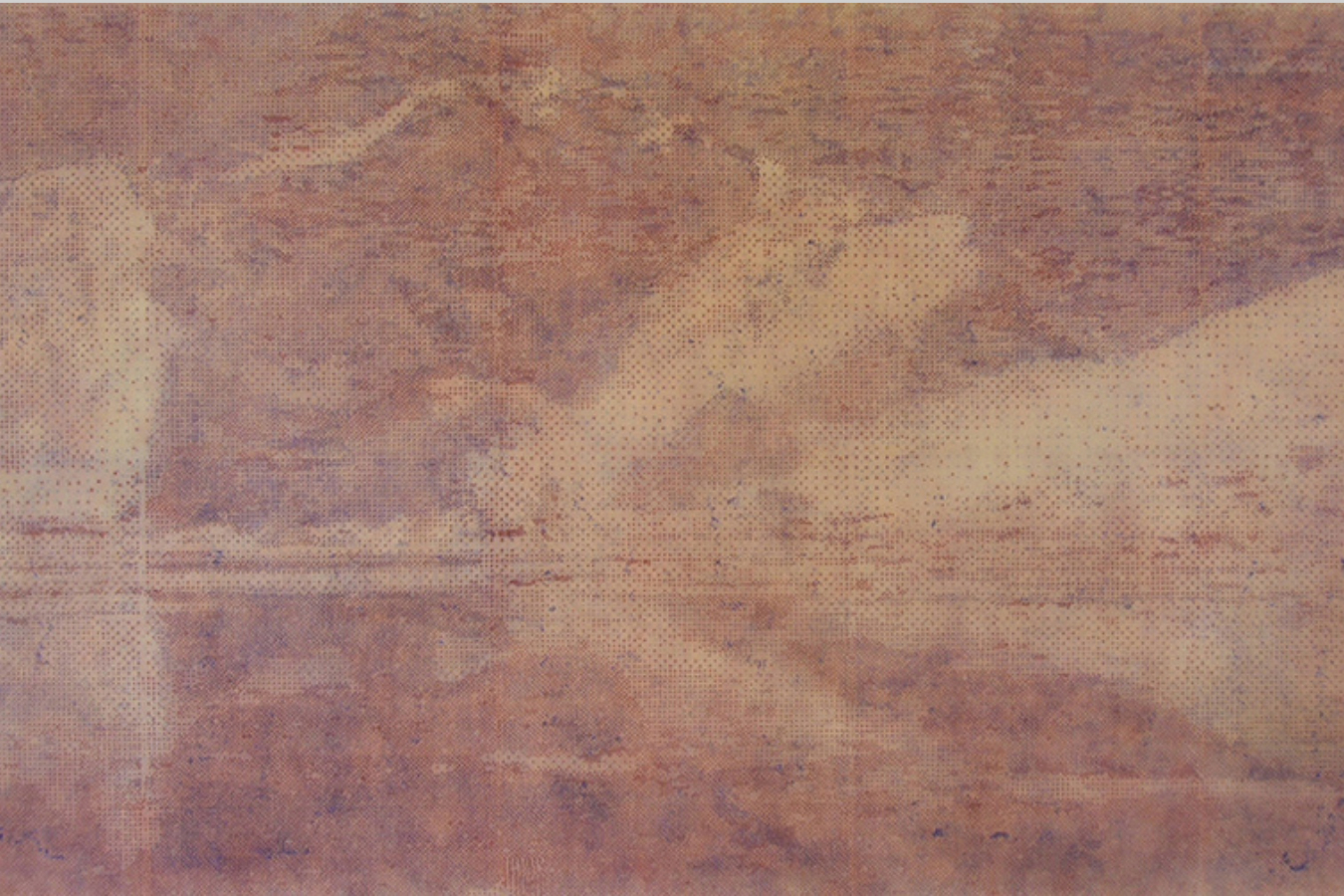
Eyal Sasson, 'Iceberg Duotone', 2000
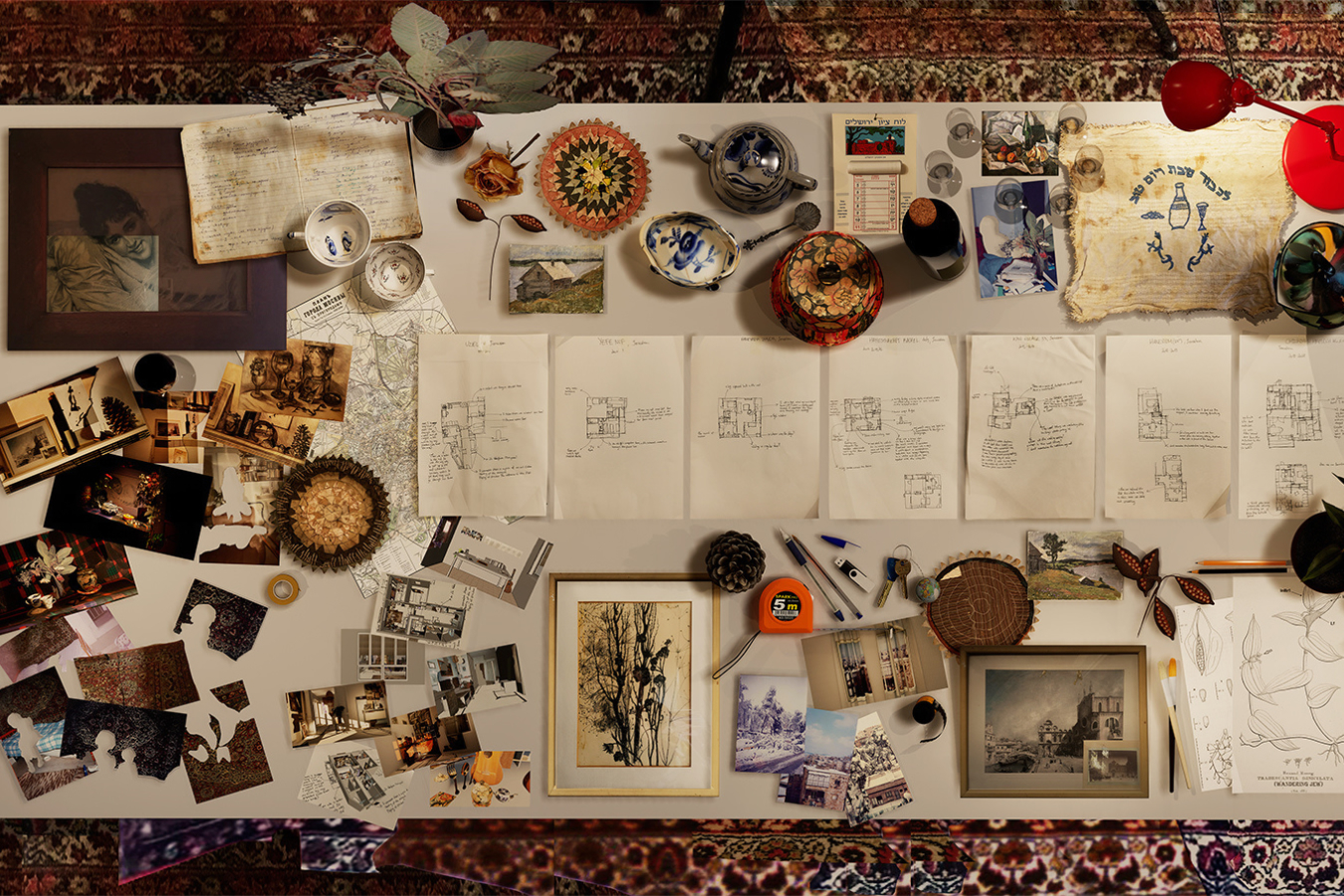
Alexandra Topaz, 'Homeward', 2023
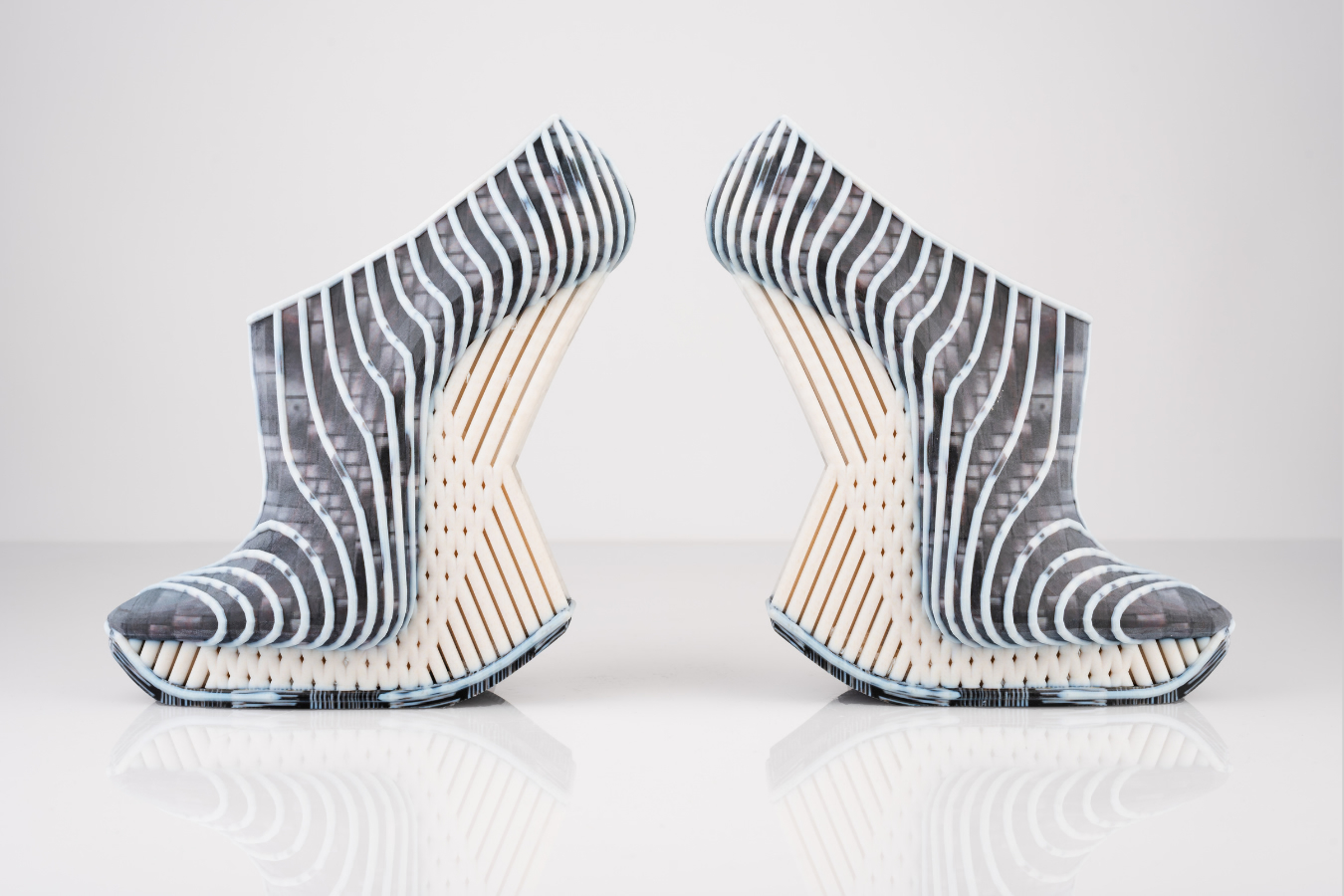
Ganit Goldstein, 'Between The Layers', 2018
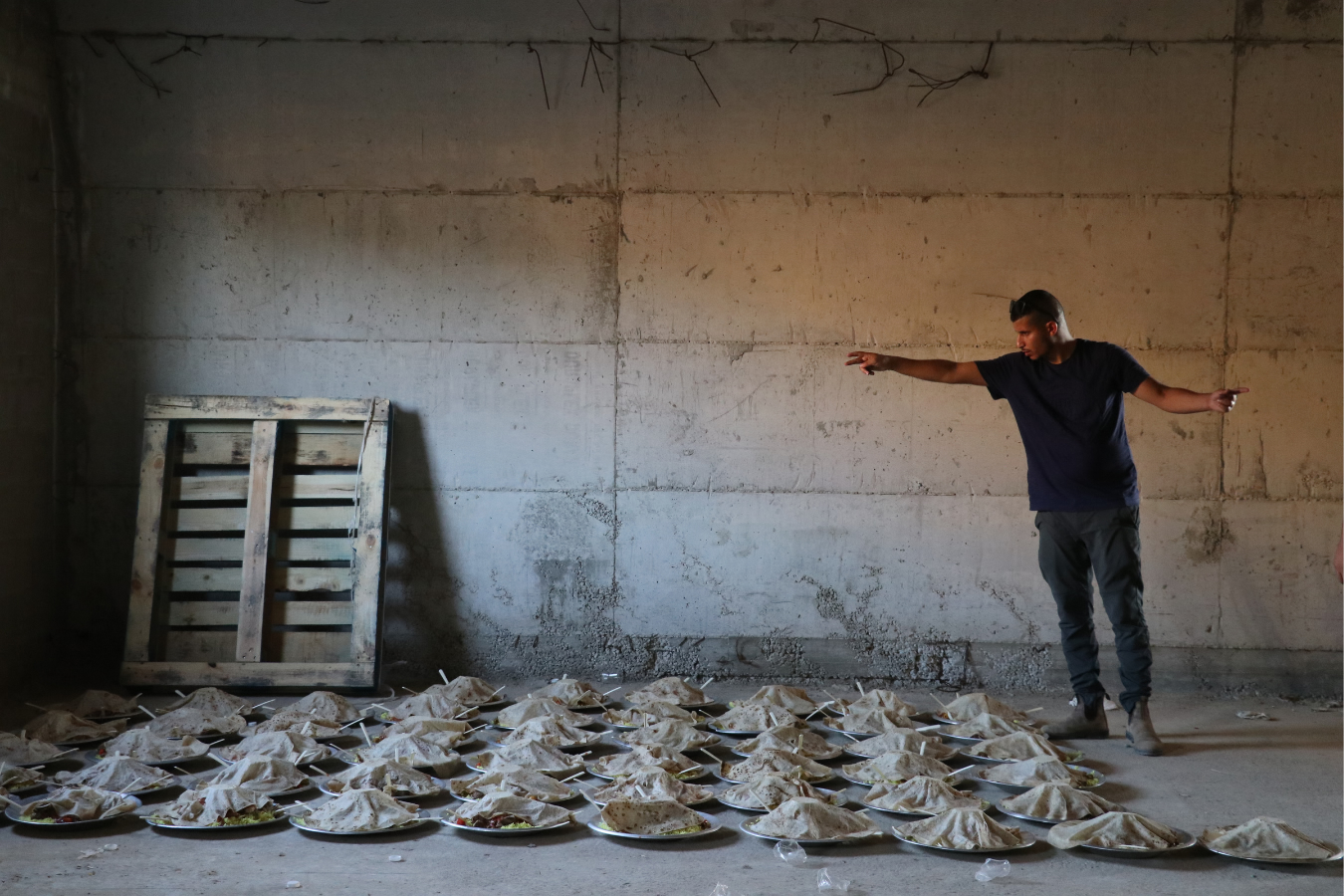
Musa Dahham Alatawneh, 'Untitled 1' 2020
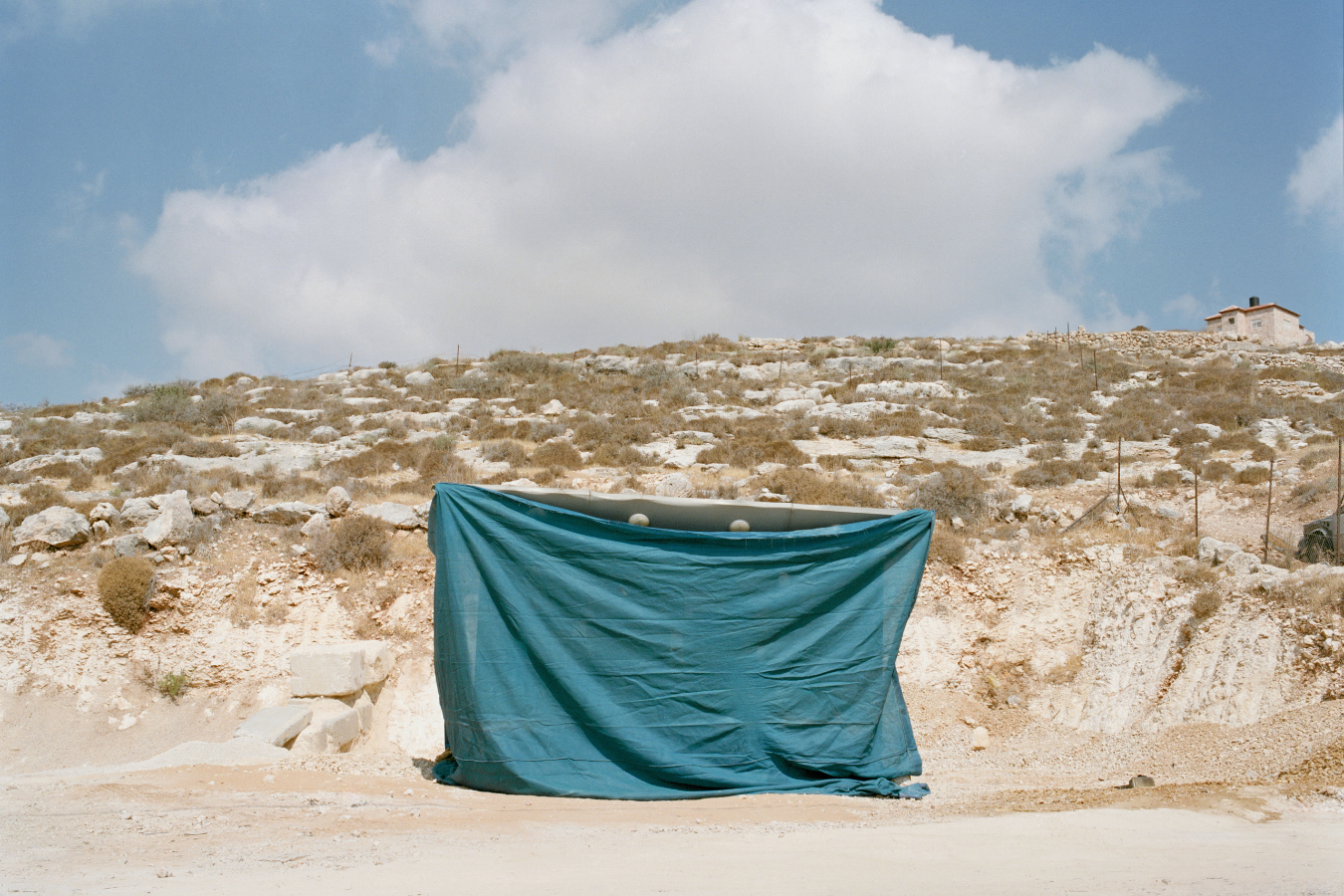
Saja Quttaineh, 'In Place', 2023